
The US Sanctioned China's Former Y Combinator Over Stolen Google AI Secrets, and It Says It Never Invested
The State Department sanctioned Beijing incubator MiraclePlus, three of its funds and former Google engineer Linwei Ding's startup over stolen Google AI secrets, and MiraclePlus denies it ever invested.

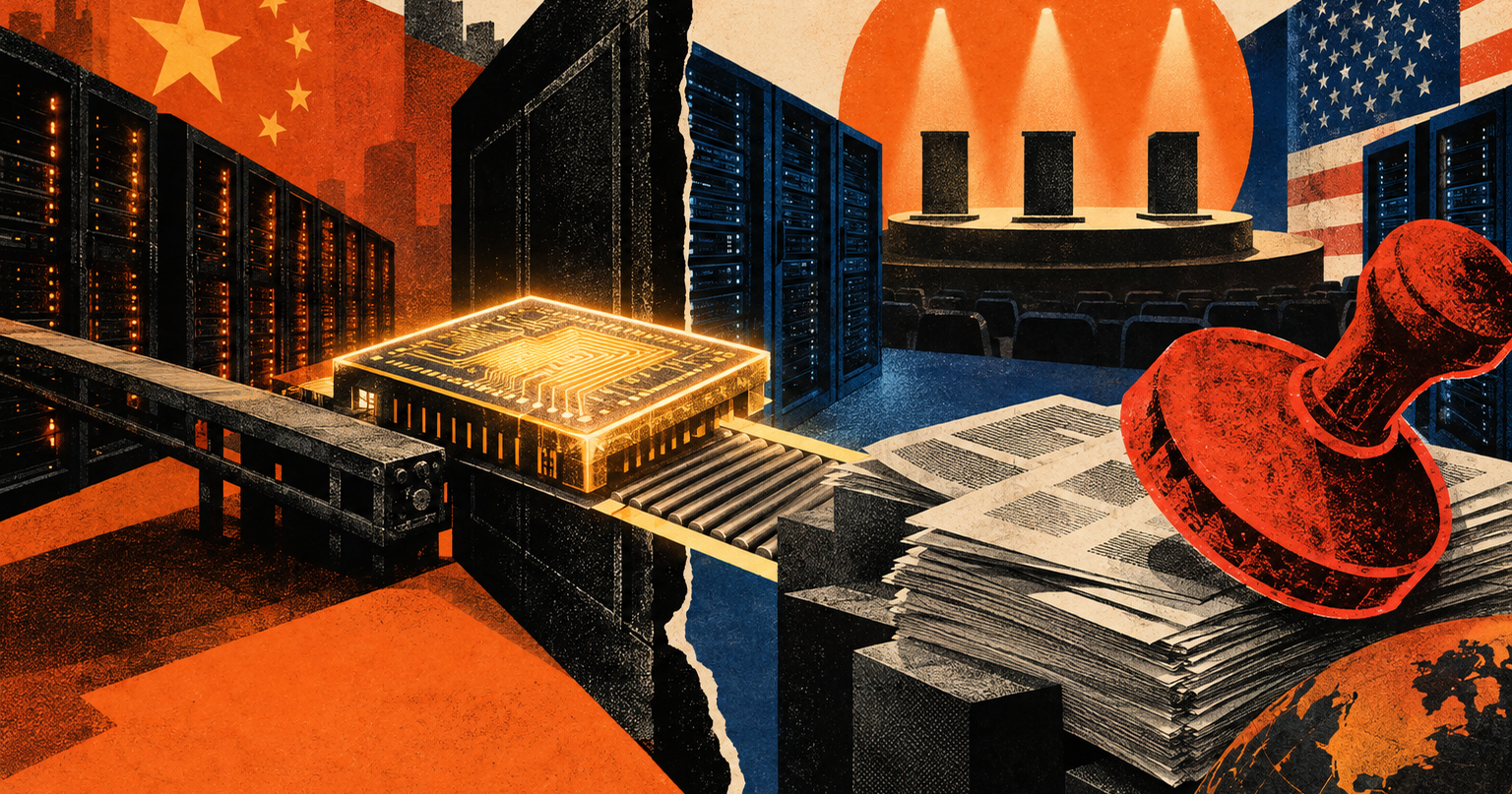
Washington has gone after the money behind an AI theft, not just the thief. On Monday the State Department sanctioned MiraclePlus, the Beijing startup incubator that used to be Y Combinator's China operation, along with three of its funds and the startup that former Google engineer Linwei Ding founded after he left the company.
The US says MiraclePlus gave Ding's company seed money after he pitched it on his ability to rebuild Google's AI supercomputing infrastructure in China. MiraclePlus says it never invested. Beijing calls the whole thing egregious.
Five names on the list
The State Department fact sheet designates five entities under the Protecting American Intellectual Property Act, a law signed in January 2023. At the center is Shanghai Zhisuan Technology, which Ding founded in 2023 and marketed as a software platform to speed up machine learning workloads, including training large "super intelligence" models on supercomputing chips.
The rest of the list is the funding chain. It names Qiji Chuangtan Beijing Investment Management, better known as MiraclePlus, a venture firm that invests mainly in Chinese tech startups and runs two startup camps a year where companies pitch other investors. It also names two venture funds MiraclePlus manages, set up in 2020 and 2022, and an enterprise management center wholly owned by the first fund.
According to State, Ding applied to the MiraclePlus incubation program on Zhisuan's behalf, touting his experience with Google's technology and internal systems. He claimed Zhisuan could replicate Google's supercomputing infrastructure "to fit China's national conditions." State says MiraclePlus then provided seed capital in exchange for an ownership stake.
"This theft of trade secrets is a serious threat to U.S. economic, foreign policy, and national security interests," State Department spokesperson Thomas Pigott said.
What the sanctions actually do
The Treasury listing blocks the entities' property and bars transactions with them, apart from importing goods. US banks cannot lend them more than $10 million in any 12 month period. Foreign exchange and banking transfers under US jurisdiction are off limits, and Americans are barred from making significant investments in their equity or debt. A general license gives counterparties until January 19, 2027 to wind things down.
The case behind it
The underlying theft is already a matter of court record. Prosecutors said Ding downloaded more than 2,000 pages of confidential Google documents about its chips and the software that links them into a supercomputer, moving them to his personal computer less than two weeks before he resigned. He then told potential investors he could build an AI supercomputer using Google's technology.
A federal jury convicted him in January of seven counts of theft of trade secrets. A judge later acquitted him of seven economic espionage counts, finding insufficient evidence that he meant to benefit the Chinese government. He was sentenced to nearly a year in prison plus two years of supervised release, The Hill reports.
That makes the sanctions notable. The criminal case reached Ding. PAIPA lets Washington reach the investors who allegedly backed what he built.
A denial and a threat
MiraclePlus flatly denies the core allegation and says it never invested in Zhisuan. "We are actively communicating with the relevant parties and hope to lift the sanctions as soon as possible," the firm said. It added that it believes fair processes exist and that "through honest communication, this matter will ultimately be resolved appropriately."
China's Ministry of Commerce was far less conciliatory. "The nature of this act is egregious. China firmly opposes this," it said in a statement on Tuesday, arguing the move severely harms Chinese firms' legitimate rights and that Chinese AI progress comes from long term research, not stolen secrets. It urged the US to correct course and said China will take "necessary measures."
The same statement also objected to the US order pushing federal civilian agencies off Chinese AI products, landing the same week the Department of Homeland Security signed a DeepSeek ban for federal agencies. Beijing answered both in one breath.
Some offers on this page may be paid placements or contain affiliate links.
Subscribe to Techpresso
Free daily newsletter, read in 5 minutes.
Subscribe free