
Tesla Factory Workers Push Back Against Training Optimus Robots Meant to Replace Them
Tesla wants Optimus lines building 1,000+ robots a week by end of 2026, but hands with 100+ hand-assembled parts and uneasy workers in mocap suits are slowing it down.
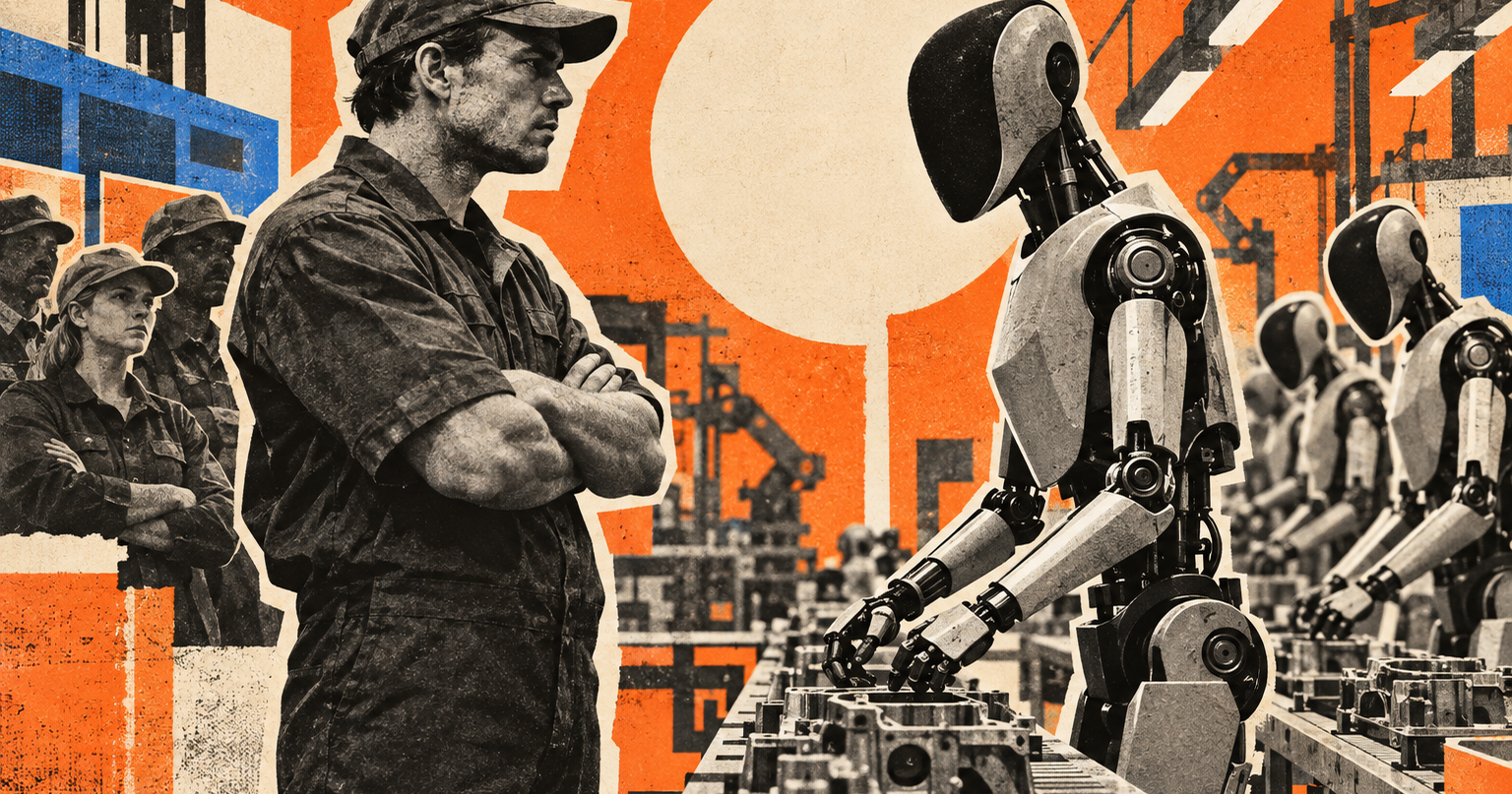
Tesla asked some of its own factory workers to teach its humanoid robots how to do their jobs. Some of them did not love the idea.
Workers in Texas and California were asked to wear motion-capture suits so Optimus could learn tasks by imitating them. According to a report from The Information, several complained that they knew the robots were designed to eventually replace them. Tesla moved that data collection to dedicated teams and separate training hubs.
A car line turned robot line
The pushback lands as Tesla tries to turn Optimus from a demo into a product. The company has repurposed Model S and Model X lines at Fremont for the robot. Output went from a few dozen units a week in the second quarter to several hundred a week in August.
Managers want a continuous line producing more than 1,000 robots a week by the end of 2026. The long-term target is about 20,000 a week. Elon Musk has called Optimus Tesla's biggest product ever and has said it could go on sale by late 2027.
The hands are the problem
Optimus V3 is lighter and carries more cameras than earlier versions. Its hand and forearm are another story: more than 100 screws and small parts are still assembled by hand.
Fixtures built with car tolerances in mind misalign those tiny components, so more units need rework. The touch sensors are unreliable enough that Tesla plans a replaceable sensing glove for next year's model. Motors and precision gears at volume still come largely from Chinese suppliers.
Not a general-purpose worker yet
The robots that do ship still need task-specific programming and tightly controlled work areas. Electrek notes that the AI generalization Musk has promised is not there yet.
So Tesla will start by leasing, not selling, Optimus to a shortlist of factories and warehouses that look a lot like its own. Fleet data from those sites is supposed to make the software smarter. That is a familiar Tesla bet, the same one riding on the Cybercab under federal scrutiny.
None of this means Optimus is already cutting factory headcount at scale, and there was no formal strike. But the workers who objected put a finger on the uncomfortable part of the plan: the fastest way to train a replacement is to have the person being replaced show it how.
Subscribe to Techpresso
Free daily newsletter, read in 5 minutes.
Subscribe free