NHTSA opens probe into nearly 1,000 Tesla Cybercabs
NHTSA opened an audit query into Tesla's FMVSS self-certification of the Cybercab after the Austin launch. The file covers up to about 1,000 vehicles. Texas records showed 45 Cybercabs registered. Tesla had not filed the Zoox-style exemption petition.

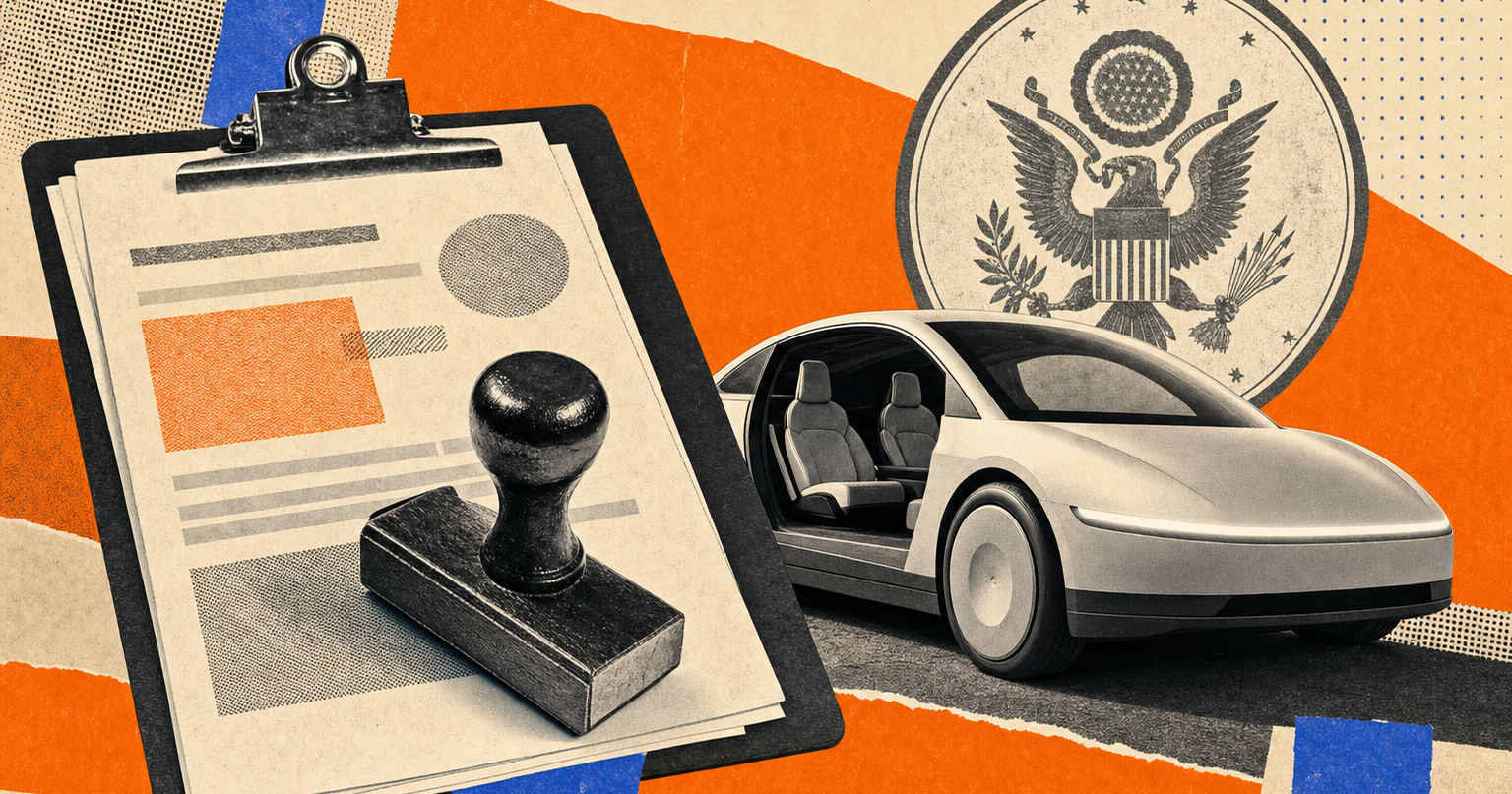
US auto-safety regulators opened a probe into Tesla's driverless Cybercab the day after the two-seater started charging for rides in Austin. NHTSA is checking whether Tesla properly certified up to about 1,000 of the vehicles under federal safety rules that still assume a steering wheel, pedals, and mirrors. Reuters said the agency is examining the process and technical data Tesla used to show compliance, including calls that some standards did not apply.
The query does not recall cars or pull Austin rides, and it is separate from NHTSA's probe of 3.2 million Tesla vehicles with Full Self-Driving. Tesla began commercial Cybercab service in Austin on Thursday, 3 September. The audit query landed the next day.
The Cybercab has no steering wheel, no brake pedal, no accelerator pedal, and no mirrors, all of which current FMVSS still treat as required equipment. Texas records as of Friday morning showed only 45 Cybercabs registered, inside a 420-vehicle Tesla autonomous fleet in the state. The investigation is written against a nearly 1,000-vehicle scope. Tesla had not petitioned for the human-controls exemption that NHTSA granted Zoox in July for limited commercial deployment of steering-wheel-free robotaxis.
Administrator Jonathan Morrison said NHTSA fully supports safe AV deployment but must ensure the laws are followed. Automakers self-certify FMVSS compliance. When a certified vehicle appears not to match those rules, NHTSA investigates. Tesla did not immediately comment.
In June, NHTSA proposed ending the manual-brake-pedal requirement for self-driving vehicles, plus other AV-friendly FMVSS changes. Those proposals are not finished. Until they are, existing standards remain in force. Under current law, a fully self-driving vehicle does not need NHTSA approval if it still has the required human controls.
The Verge notes that Zoox self-certified, then sat under an NHTSA audit query for years and could run demonstrations, but could not charge fares until the July exemption. Whether Tesla can keep collecting Cybercab fares while this query is open is still an open regulatory question. The audit query itself does not order Tesla to pull cars off Austin streets.
The robotaxi market is already wider than Tesla's Austin start. Waymo opened public rides in Denver, San Diego and Tampa this week and now runs driverless trips in 14 cities.
Some offers on this page may be paid placements or contain affiliate links.
Subscribe to Techpresso
Free daily newsletter, read in 5 minutes.
Subscribe free