
Sam Altman Says Your PC Having RAM Is Quite Terrible, While AI Data Centers Keep Buying It All Up
OpenAI CEO Sam Altman said it is quite terrible for the world's limited DRAM supply to sit in people's own computers, as the AI data center build-out keeps memory scarce and expensive.

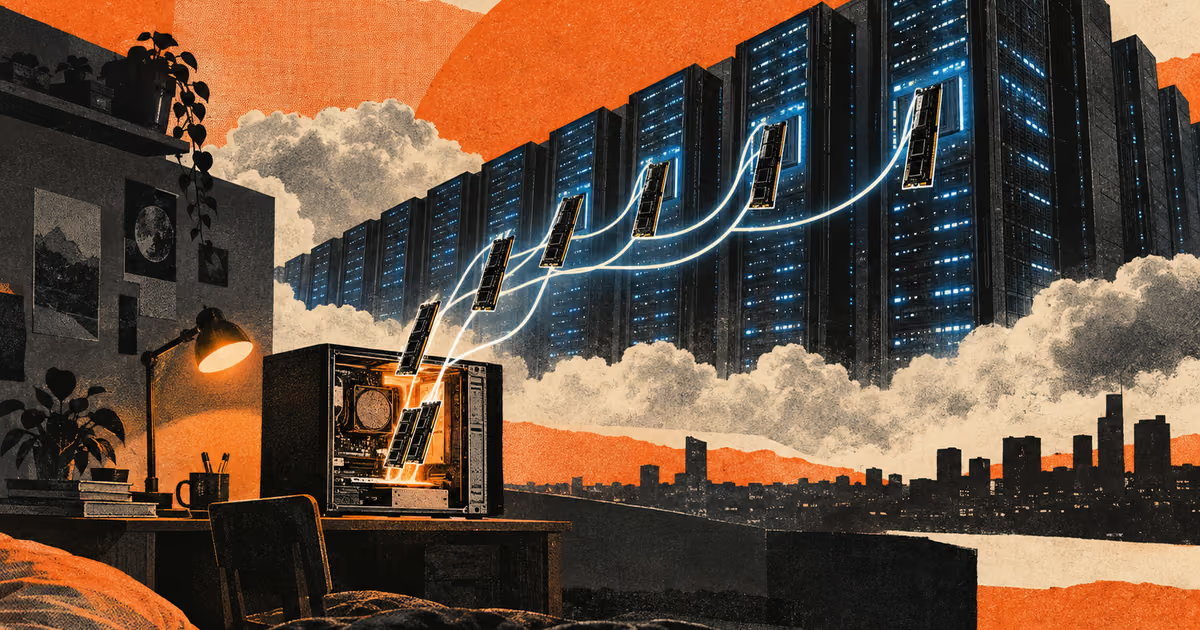
Memory has become painfully expensive because AI companies are buying so much of it. Now the head of the most famous AI company has explained why the RAM left in your computer is the real waste.
Sitting for an interview on the Cheeky Pint YouTube show, OpenAI CEO Sam Altman got to the subject about 29 minutes in. His full remark was short and blunt:
"From a global allocation perspective, actually, it's quite terrible to have everybody have a bunch of the world's limited supply of DRAM sitting in their own computer and being used 5% of the time. You want maximum utilization in the cloud if you're trying to deal with this very supply-constrained environment. And somehow many people's intuition is the opposite of that."
The backlash was immediate, and the timing explains why.
The bill everyone else is paying
The build-out has quintupled DRAM costs since last year. Game consoles are approaching $1,000 and their sales are falling. PC shipments dropped significantly this year, which contributed to Intel's worst stock collapse in decades. RTX 5080 and 5090 graphics cards are scarce and priced astronomically, and Canon says its cameras could get pricier.
Nor is relief obviously close. SK Hynix expects shortage conditions to last past 2030. Acer's CEO accuses memory makers of prolonging the squeeze to maximize profit, though he thinks prices could slide as soon as next year.
The suppliers are certainly enjoying the change. AI demand has let other buyers outbid even Apple, and the flash makers it spent two decades squeezing now hold the leverage over it. Ordinary buyers have far less to bargain with.
The competitor on your desk
Altman was not really aiming at spreadsheets or Steam libraries. He was discussing local inference, meaning people running open-source models on their own machines, and PC Gamer reads the comment as directed less at gamers than at people craving that kind of compute.
That is where his interest shows. PCs are starting to be sold for this exact job: Microsoft's Surface Laptop Ultra ships with up to 128GB of unified RAM for local AI, including open models like DeepSeek.
OpenAI does have some open models, but its main business is closed models running in data centers. As Tom's Hardware points out, local AI could one day mean people paying less for subscriptions to models like GPT-6 Luna. Every capable laptop running a free model is a small hole in that plan.
Who decides what memory is for
The efficiency argument has a logic to it, since a chip busy around the clock does more work than one idling in a laptop. But it rests on assumptions. It assumes the build-out will not slow down, and it assumes RAM running AI workloads all day is more worthwhile than RAM used for spreadsheets, browsing and gaming.
Those are value judgments, and they come from someone with a direct stake in the answer. They also feed a fear already common among enthusiasts: a future where people rent their computing instead of owning it.
Altman framed the matter as a question of global allocation. The allocation he prefers happens to run through the kind of data centers his company depends on, and the rest of the market is already paying for it.
Some offers on this page may be paid placements or contain affiliate links.
Subscribe to Techpresso
Free daily newsletter, read in 5 minutes.
Subscribe free