
Pixxel raises $100 million Series C led by Temasek
Pixxel's 7 September 2026 newsroom post closes a $100 million Series C co-led by Temasek and Seraphim, taking total funding to $195 million. The first Honeybee satellite is expected in 2027, and six Firefly satellites are already in orbit. The post does not name a valuation.

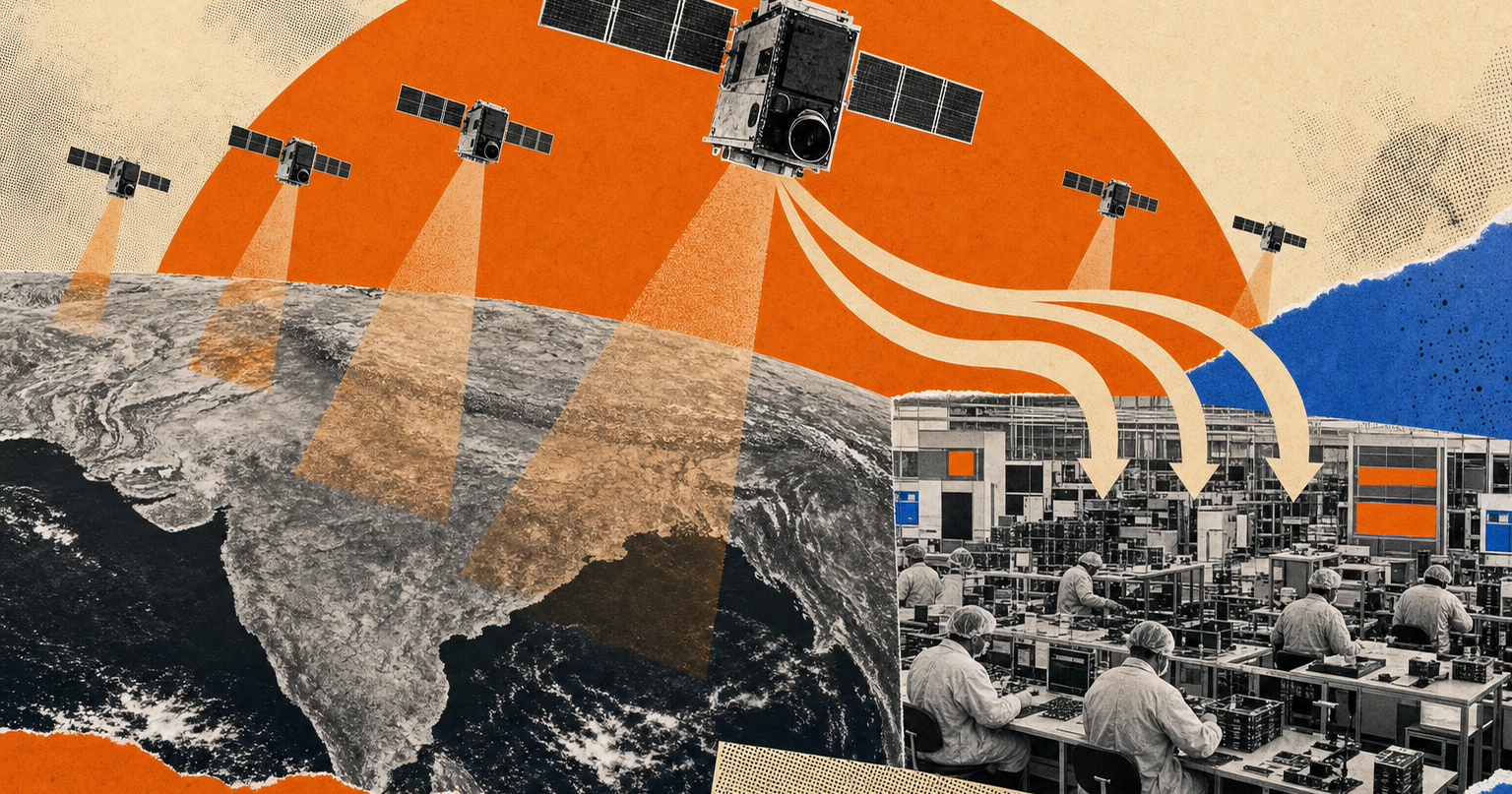
Indian Earth-observation startup Pixxel has closed a $100 million Series C co-led by Temasek and Seraphim. The raise takes its total funding to $195 million, which the company calls the largest single round ever for an Indian space-tech firm.
Pixxel announced the close in a 7 September 2026 newsroom post dated Bengaluru and Los Angeles. Reuters labelled the company Google-backed. Google was an earlier investor, not a lead of this Series C.
New money came from 360 ONE Asset and IMM Investment. Existing backers Radical Ventures, growX ventures, and others also participated. The newsroom post does not name a post-money valuation. Mint had earlier put talk of the round in the $350 million to $400 million range, citing people familiar, a figure that is not in the company announcement and that Pixxel has not confirmed.
The headline number is $100 million. The timeline underneath it is the 2027 Honeybee launch. Pixxel says Series C proceeds go to four priorities: the next-generation Honeybee hyperspectral constellation, adding shortwave infrared, synthetic aperture radar, and ultra-high-resolution optical; Aurora Earth-intelligence software; sovereign Earth-observation systems for governments; and manufacturing expansion in India and the United States. The first Honeybee satellite is expected to launch in 2027.
Six Firefly satellites are already deployed. Pixxel describes that group as the world's highest-resolution commercial hyperspectral constellation. The company also cites NASA and NRO contracts, Indian Ministry of Defence iDEX wins, an IN-SPACe public-private Earth-observation constellation of 12 satellites, and plans for an orbital data-centre demonstration.
Founder and CEO Awais Ahmed said the raise is meant to turn a "health monitor for the planet" into planetary infrastructure. The Next Web notes that until Honeybee flies, the constellation Pixxel is selling is still those six Firefly satellites plus software.
A private space raise of this size landed in the same stretch that Isar Aerospace reached orbit on Spectrum's second flight. The $195 million cumulative raise and the 2027 Honeybee date are the numbers that sit under the $100 million headline.
Some offers on this page may be paid placements or contain affiliate links.
Subscribe to Techpresso
Free daily newsletter, read in 5 minutes.
Subscribe free