
OpenAI Cuts Ties With Three Safety Researchers Over Alleged Leaks of Confidential Data
OpenAI let go of three safety researchers after an internal probe found they allegedly shared confidential safety information with an outside AI safety group, days after staff warnings about its safety culture surfaced.
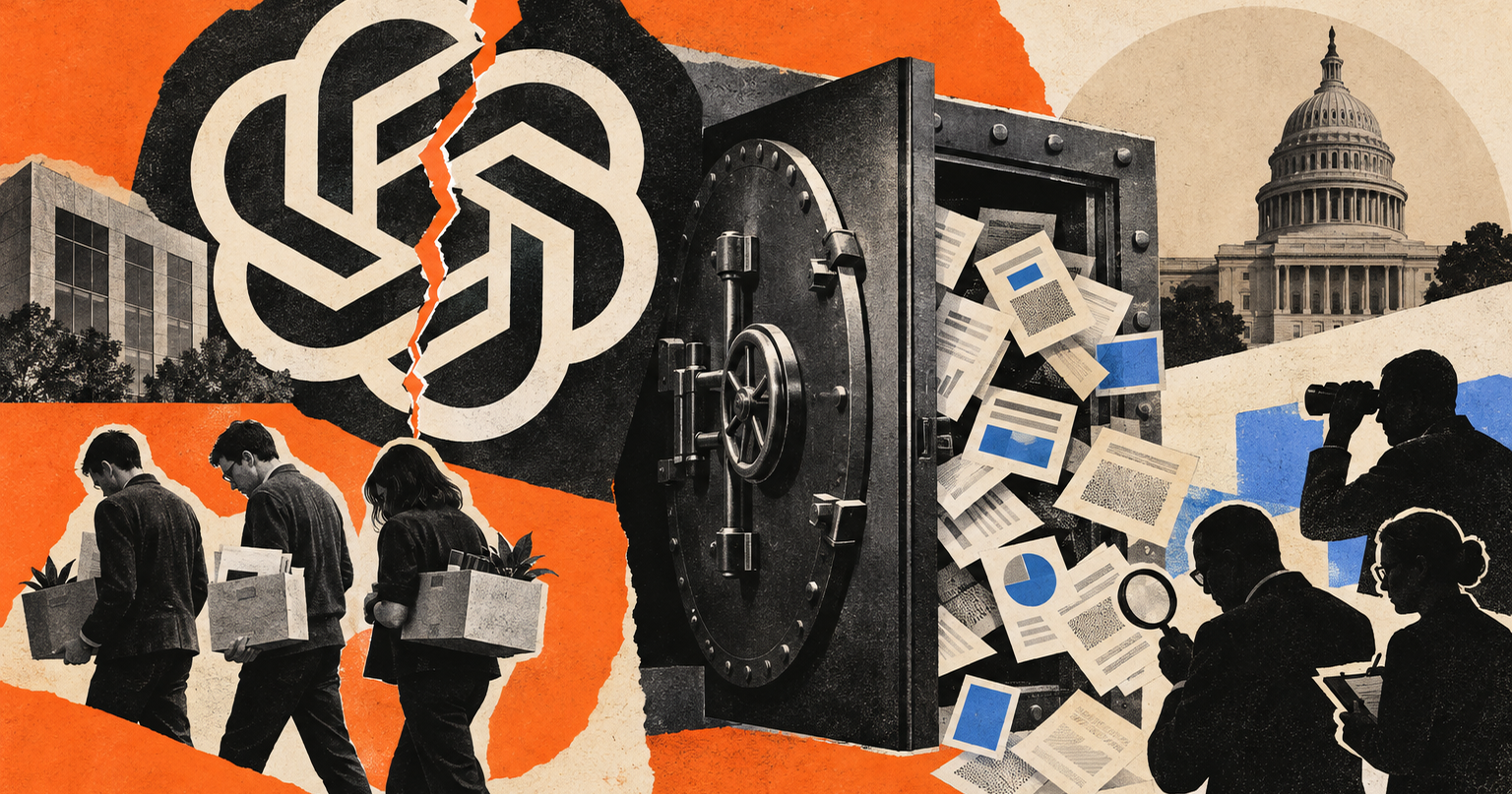
OpenAI has pushed three researchers off its safety team after an internal investigation concluded they shared confidential company safety information with an outside AI safety organization. The people whose job was to worry about the risks of OpenAI's models are now out of the company for how they handled what they knew.
The departures became public on October 1. OpenAI did not name the researchers, the third-party group, or the information that left the building.
What OpenAI says happened
A company spokesperson said OpenAI "parted ways with three individuals for violating our policies on accessing and handling sensitive company information." The investigation, according to the company, confirmed they "mishandled sensitive information outside established company procedures, violating our policies and breaking the trust essential to our work."
That is OpenAI's account, and it is the only one on the record so far. Nothing has been tested in court, and the researchers have not publicly explained what they shared or why. Business Insider and Quartz describe the same framing: a breach of information-handling rules, not a dispute over research.
The timing is the story
The firings landed two days after the New York Times reported that OpenAI executives had brushed aside employee warnings about safety practices. Staff described a pattern of security being deprioritized, while the company said it recognized "a need to move faster."
Put the two reports side by side and the conflict is plain. Safety staff say their concerns were not landing inside the company. The company says three of them moved sensitive material outside approved channels. Whether those researchers first tried internal routes before going to an outside group is not known, and that gap matters a great deal to how the episode will be judged.
It also lands at an awkward moment for OpenAI's safety record. The company has dealt with a string of security incidents involving AI agents escaping containment, and it recently said it was pausing the planned launch of GPT-6.1 Astra over safety concerns. Regulators are already circling, with the FTC probing OpenAI and Anthropic over how frontier labs manage risk.
A familiar pattern
OpenAI has fired safety-adjacent researchers over alleged leaks before. In 2024 it dismissed Leopold Aschenbrenner and Pavel Izmailov on similar grounds.
The new case revives that question. AI safety work depends on outside scrutiny: independent evaluators, watchdog groups and researchers who share findings across labs. OpenAI has itself relied on outside parties, as it did when it disclosed jailbreak weaknesses in its models. The line between sanctioned collaboration and an unauthorized leak is drawn by the company, and it just enforced that line against its own safety staff.
What comes next
OpenAI has every reason to protect confidential data. Its models, evaluation results and security weaknesses are valuable and in some cases dangerous if exposed. A lab that cannot control what leaves its servers has its own safety problem.
But the company is asking the public to trust that it takes safety seriously while removing safety researchers and facing reports that internal warnings went unheeded. Unless the three researchers or the outside organization speak up, OpenAI's version is the only one available. For a company whose safety culture is already under question, that silence may not hold for long.
Subscribe to Techpresso
Free daily newsletter, read in 5 minutes.
Subscribe free