
Nvidia Quietly Told Cloud Providers to Cap Chinese Customers at 49%, and It Never Put the Rule in Writing
Nvidia has told data center operators worldwide that Chinese customers can make up no more than 49% of their business on new contracts, a rule passed on verbally by its sales teams.

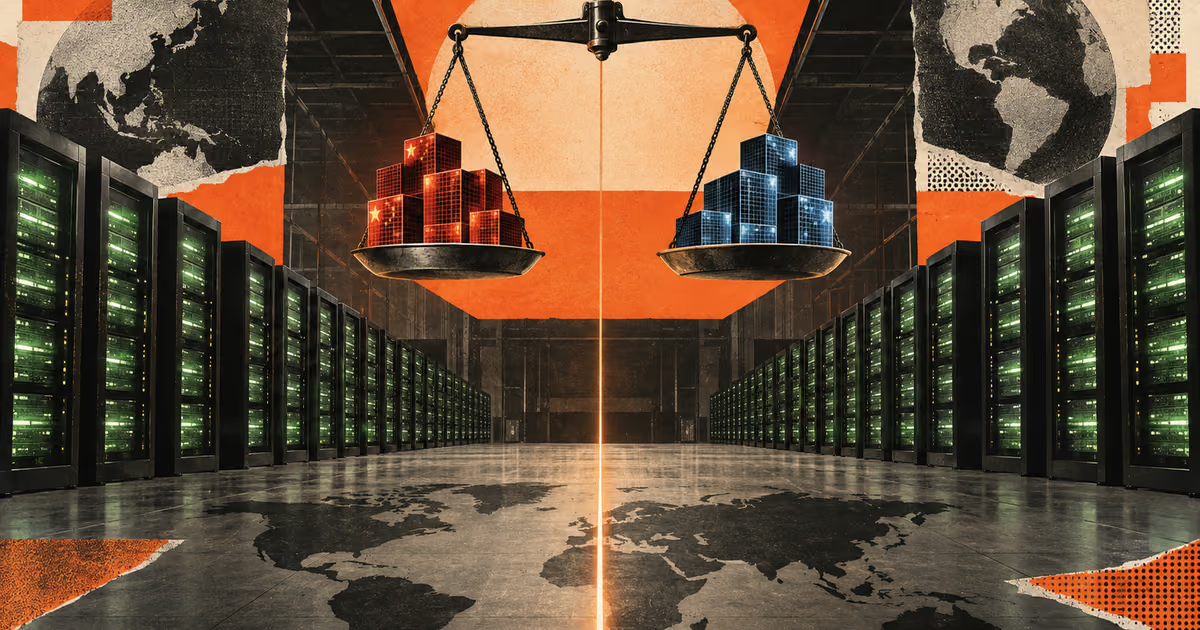
Washington can stop Nvidia chips from being shipped to China. It mostly cannot stop Chinese AI labs from renting those same chips in a data center somewhere else. Now Nvidia has decided to close part of that gap on its own.
The company has told its data center clients that at least 51% of their services must go to non-Chinese companies, capping Chinese customers at 49%, the Financial Times reported on Tuesday. Five people familiar with the matter described it.
The rule covers new and future contracts, not existing ones. It applies to data centers globally, not just in Asia. And it was never written down. Nvidia's sales force and regional teams passed it on verbally, with no official documentation. The chipmaker had never imposed anything like it before.
How binding is it?
Accounts differ. The Information reported that Nvidia told some cloud customers, including the neoclouds it backs, to take on less business from Chinese companies and build a more diverse customer mix. In that version the guidance is not mandatory, but providers are being asked to disclose who the end users of the chips actually are.
Nvidia neither confirmed nor denied the report when AFP asked. Its statement stuck to the big picture: "America cannot win the AI race unless America's AI infrastructure wins worldwide."
Beijing was cooler. Foreign ministry spokeswoman Mao Ning said she was not aware of the report and that China hoped all parties would provide a "fair, transparent and non-discriminatory business environment" for companies from every country.
The rental loophole
US export rules restrict shipments of chips. They generally do not cover remote access through cloud services, which means a Chinese AI developer can rent advanced Nvidia compute abroad without importing a single piece of hardware. US authorities had been examining that route after allegations involving Moonshot AI, the maker of the Kimi chatbot.
Hardware keeps leaking too. Washington has limited sales of Nvidia's most advanced chips to China since 2022, yet earlier this year several senior Super Micro employees were charged with smuggling around $2.5 billion worth of Nvidia AI servers into the country. The intermediaries that rent compute to Chinese firms have drawn their own scrutiny: US intelligence has been watching a Megaspeed executive, believed to be a Chinese intelligence asset, who grew close to Jensen Huang himself.
China has been pulling the other way. A year ago Beijing banned foreign AI chips from state-funded data centers to prop up domestic suppliers.
A chipmaker writing trade rules
Nobody in government ordered this cap. Nvidia is setting the terms for its own customers, and the squeeze lands on cloud providers already fighting over the same contracts. Limiting who they can sign narrows that pool further.
Nvidia has leverage beyond its chips. It also backs data center financing, which gives it more say over where infrastructure gets built and who ends up using it. A verbal rule from the company that supplies the hardware and helps pay for the building is not one many operators will feel free to ignore.
Some offers on this page may be paid placements or contain affiliate links.
Subscribe to Techpresso
Free daily newsletter, read in 5 minutes.
Subscribe free