
Norway Wants to Ban AI Glasses in Parks, Schools and Gyms Over Fears People Are Being Secretly Filmed
Big Tech wants the next computer to sit on your face and watch everything. Norway just told it to stay out of the park, the pool and the playground until it writes the rules.
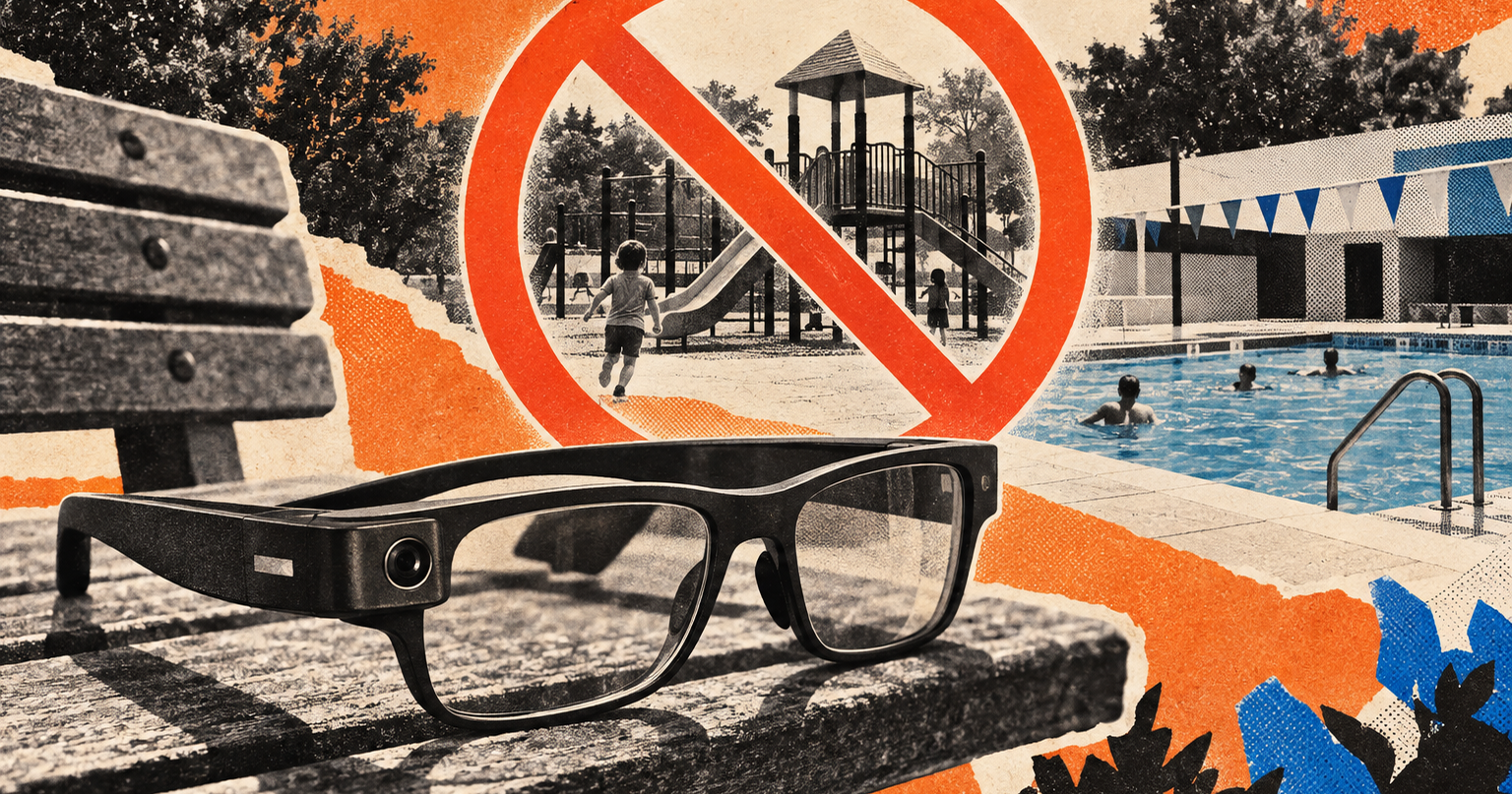
Norway wants camera glasses out of the places where people least expect to be filmed. On Monday, the country's center-left minority government said it will soon put a bill to parliament for a temporary ban on using AI glasses in selected public places, making it the first major country to propose one.
The target is the new wave of camera-equipped smart glasses, Meta's Ray-Bans and the cheaper copycats that followed them. The government called the ban a "high priority" and will set up an expert group to draft permanent national rules.
Where the glasses would be off limits
The list is long. It covers parks, beaches, museums, shopping centres and public events, plus schools, kindergartens, playgrounds, youth clubs, doctors' offices, swimming pools and gyms with changing rooms, according to TNW. The government will also look at whether universities and colleges belong on it.
It is not a total ban. Private use stays legal, and so does use in places where nobody else risks being filmed without consent. The government has also not settled which devices count: glasses with a camera and microphone, glasses with a camera and AI features, or any body-worn gadget that can do the same job.
"I am concerned about the introduction of powerful new technology where people risk being photographed, filmed, or recorded without their knowledge," said digitalisation minister Torgeir Micaelsen. A temporary ban, he added, "will give us time to conduct a thorough assessment and hold an informed debate that can lay the foundation for permanent regulation."
Micaelsen has only been in the job for about four weeks. His predecessor, Karianne Tung, had not backed a ban, Norwegian broadcaster TV 2 reported. The new minister clearly sees it differently.
"We do not want a society where people are concerned about hidden audio recordings, photography, and filming in places and situations where they are used to being without being monitored," he said. "Such a society can be experienced as unsafe and cause us to withdraw."
Norway was already moving
Parts of the country did not wait for the government. Schools in Oslo have banned the glasses, and Equinor, Norway's biggest company, has banned them from its offices and its offshore oil and gas facilities.
The backlash is spreading well beyond Norway. Last week Dutch eyewear chain Hans Anders stopped selling Meta's Ray-Bans in the Netherlands and Belgium. Several UK venues have banned them, and Gizmodo notes that New York has barred smart glasses from its courtrooms statewide while Hamburg moved to ban them on public transit and at public pools. Australia is weighing a ban in certain public spaces.
The fear is consistent everywhere: people, including children and women in places like changing rooms, being filmed without knowing it. Campaigners have taken to calling the devices "pervert technology." The US has been slower. In California, Gov. Gavin Newsom vetoed a bill that would have made it illegal to secretly record people with smart glasses in places like changing rooms.
The trillion-dollar bet on your face
The stakes for the industry are enormous. Meta, Google and OpenAI all see glasses as a possible replacement for the phone as the main gateway to AI, a device that listens to your conversations and watches your day. Counterpoint Research estimates consumers will spend more than $1 trillion on wearables between 2026 and 2032.
That pitch depends on people wearing cameras everywhere. Norway's proposal, which still has to go through parliament, says some places should stay camera-free until a country decides on the rules, and Norway is the first major country to try putting that into law.
Subscribe to Techpresso
Free daily newsletter, read in 5 minutes.
Subscribe free