
Netherlands Builds Its Own NixOS Desktop After US Sanctions Cut Microsoft Off the ICC
The Dutch government is piloting DAWO, an open-source NixOS workplace for civil servants, after US sanctions showed how much of the state depended on Microsoft.
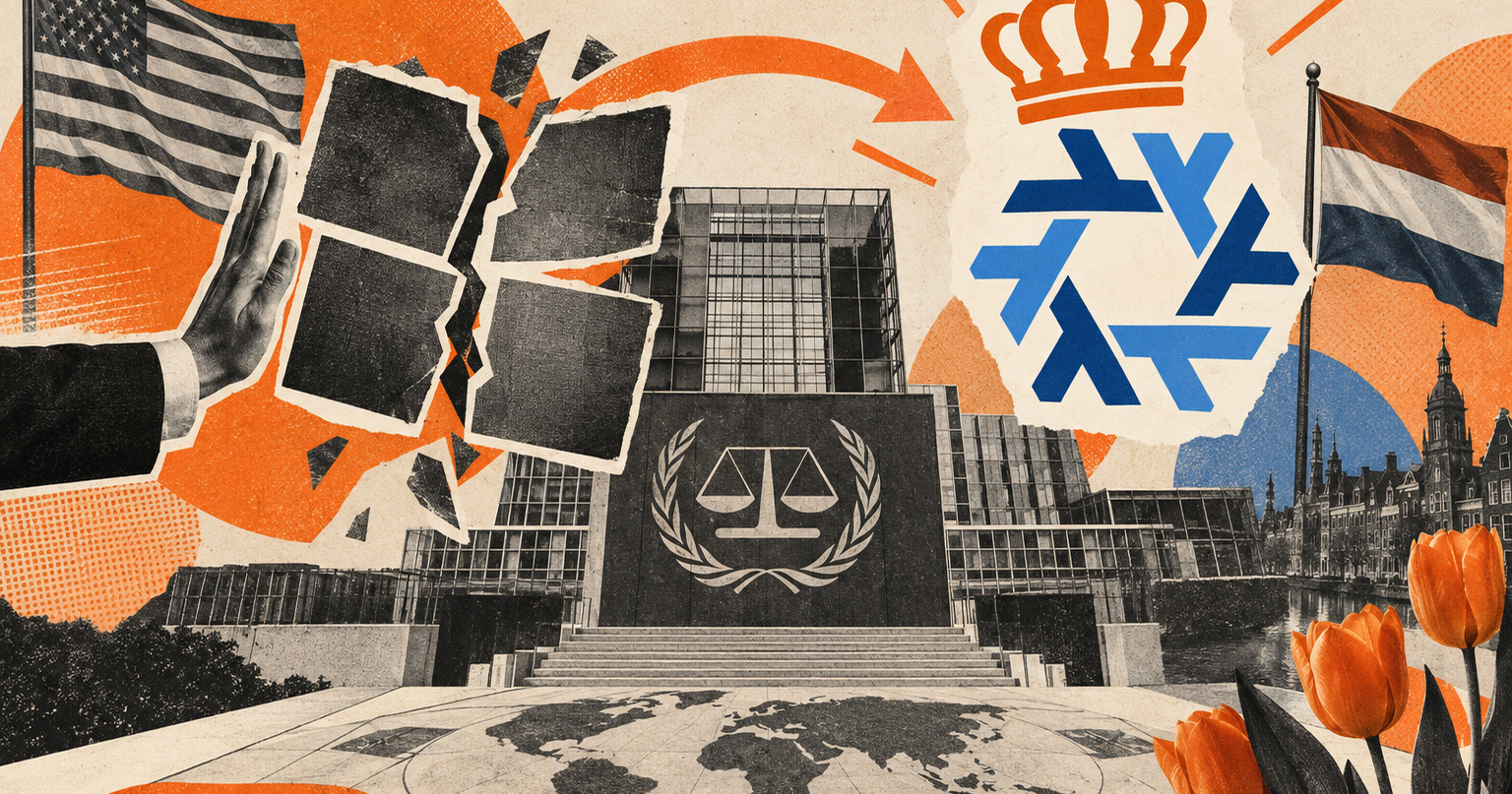
The Dutch government is quietly building a way out of Microsoft. It is called DAWO, short for Digitaal Autonome Werkomgeving Overheid (Digital Autonomous Government Work Environment), and it is an open-source workplace for civil servants running on a desktop operating system built on NixOS.
It is not a lab toy. Eight municipalities are already piloting it, including 's-Hertogenbosch, Zaanstad, Ede, and Amsterdam, which joined in April. More will be named later. The Ministry of the Interior and Kingdom Relations leads the effort, and the NixOS client code lives in a public government repository anyone can read.
The trigger came from The Hague itself. In early 2025, US sanctions on the International Criminal Court cut ICC staff off from Microsoft services, email included. Core developer Victor Gevers told Tweakers that the episode made Dutch officials realise essential government services depended on US policy, according to It's FOSS.
That realisation turned into orders. In July, the Interdepartmental Commission for Government Operations made DAWO an official task and told three government IT providers, SSC-ICT, DICTU, and DUO-ICT, to build a more sovereign digital workplace.
The team did not start with NixOS. It tried openSUSE and Fedora first, then settled on NixOS because the project has Dutch roots and no commercial owner that could be pressured, bought, or sanctioned. That last point is the whole argument, and it echoes a wider fight over who controls the software governments run on, from Washington's clash with the EU over X to the Pentagon's own vendor blacklists.
Nobody should mistake this for the Netherlands having already left Microsoft. DAWO is a pilot, not the national production desktop, and the developers are hoping for version 1.0 next year.
They are also candid about the bill. Open source, they warn, "costs differently," not less. Sovereignty is not free. The Dutch have simply decided that depending on a foreign government's goodwill is the more expensive option.
Subscribe to Techpresso
Free daily newsletter, read in 5 minutes.
Subscribe free