
Meta Shut TikTok Out of Facebook and Instagram Ads in Seven Countries as the Teen Safety Feud Turns Commercial
Meta banned ads from ByteDance and any campaign that sends people to TikTok on Facebook and Instagram in the US, Canada, Egypt, Indonesia, Japan, Thailand and Vietnam. It calls the move normal business as its child safety fight with TikTok escalates.
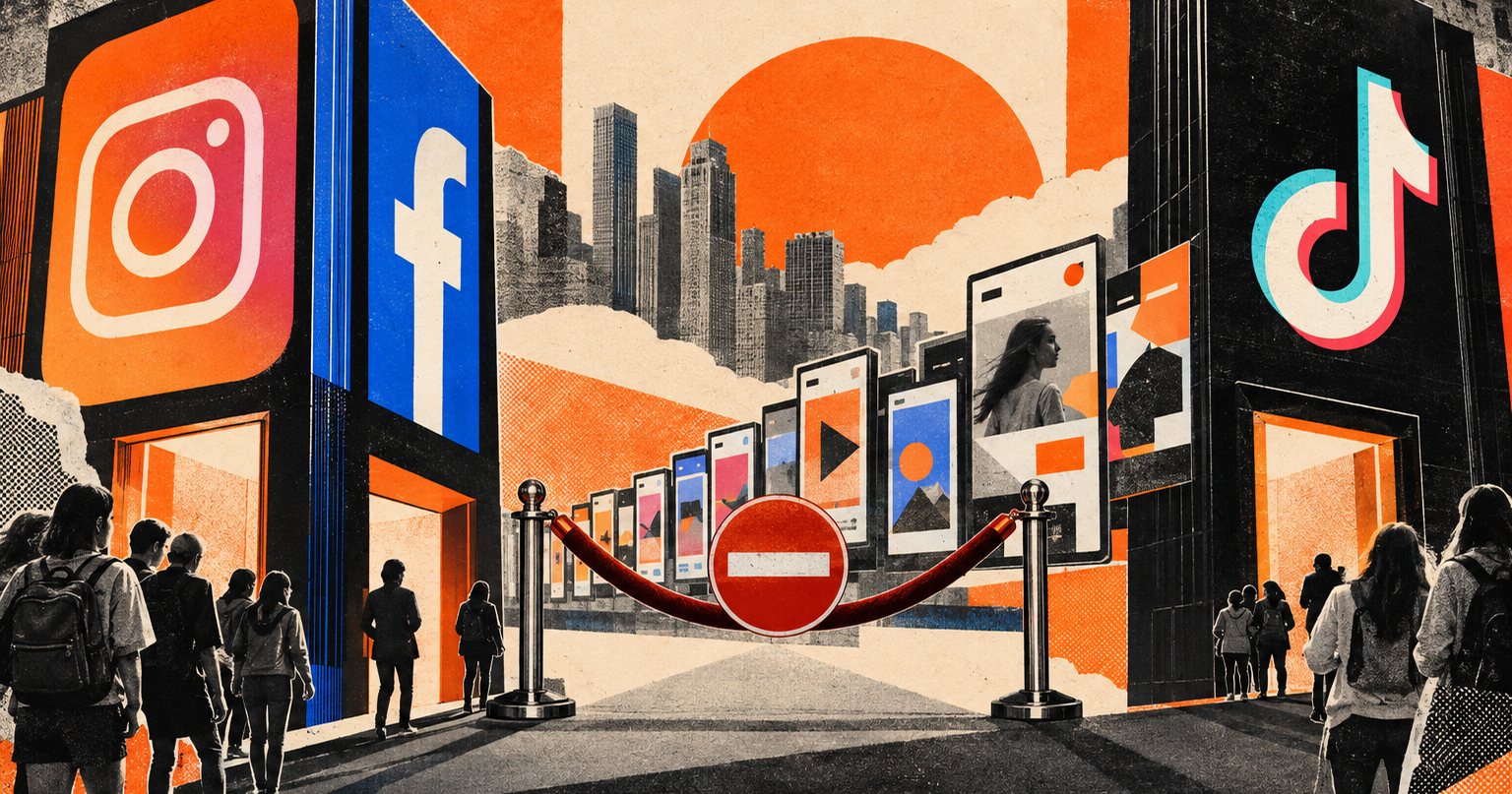
TikTok can no longer buy its way onto Facebook and Instagram in seven countries. On Thursday, Meta banned ads and paid marketing from ByteDance, TikTok's Chinese parent, across both apps in the US, Canada, Egypt, Indonesia, Japan, Thailand and Vietnam, effective immediately.
The ban reaches past ByteDance itself. Third-party advertisers whose campaigns send people to TikTok or other ByteDance apps in those countries are blocked too, The Verge reports. Bloomberg broke the news and Meta confirmed it.
Nobody loses access to TikTok. What disappears is one of the biggest paid channels a rival app could use to find new users.
"A normal business practice"
Meta spokesperson Christopher Sgro framed the decision as ordinary competition. "We don't have to run ads from a competitor whose goal is to pull people off our apps," he said. "Declining promotional services to a competitor is a normal business practice across industries. We will continue to compete on product quality and user experience."
TikTok and ByteDance did not respond to requests for comment. Profiles on Meta's apps can still link to rival websites.
TikTok has put up walls of its own. Its support page says it no longer allows links that "open or log you into other social media apps." Meta has not said the ad ban is a response to that policy, but the two companies have been closing doors on each other for a while.
How a safety settlement became a sales war
The sharper backdrop is children's safety. In August, Meta agreed to settle with US states over social media harms to kids, in a deal reported at roughly $17 billion to $18 billion. It accepted daily usage limits and nighttime restrictions for children, plus stronger blocks on age-restricted content.
There is a catch that turned the settlement into a competitive weapon. Part of Meta's payout depends on rivals adopting similar measures, The Next Web notes. Since then Meta has pushed TikTok and YouTube to sign up for the same terms.
It did so loudly. Meta ran ads in major newspapers demanding that rivals follow its lead and called out TikTok for not showing up at several US government meetings on screen time and child safety, Engadget reports.
In September, Meta tried to bring the campaign onto TikTok itself. TikTok refused to run Meta ads urging it to join the deal, saying they broke its rules on political content. Weeks later, Meta has turned the same logic around: a competitor's promotions do not have to run on its platform either.
TikTok's own legal fights
TikTok has not ignored the pressure entirely. Later in September it settled with Alabama, agreeing to usage limits and stronger age verification. It still faces other state cases, including a teen safety lawsuit in New York that keeps its product design under scrutiny.
Europe is circling as well. EU regulators said this summer that TikTok had not done enough to protect minors and could face a fine of up to 6% of its annual revenue.
Who the ban actually hits
In the US, TikTok now runs as a majority American-owned joint venture created to avert a ban. A consortium of US and UAE investors including Oracle controls it, and ByteDance keeps a 19.9% stake. The app has more than 200 million US users.
That structure makes the ban's target a little blurry. Meta's restriction names ByteDance and any campaign pointing to its apps, and ByteDance remains a major shareholder of the American venture. Any ad sending people to TikTok in the US now falls inside the line Meta drew.
For years the fight between the two companies was about engagement, creators and ad dollars. The child safety settlement gave it a moral vocabulary. Now Meta is cutting off a rival's paid reach on its two biggest apps and calling it just business.
Some offers on this page may be paid placements or contain affiliate links.
Subscribe to Techpresso
Free daily newsletter, read in 5 minutes.
Subscribe free