
Meta Slashed Its Federal Tax Bill Nearly 71% by Labeling AI Data Centers Experimental
Meta classified its AI data centers as experimental pilot facilities, lifting its research tax credit savings from $700 million in 2023 to $3.9 billion in 2025.
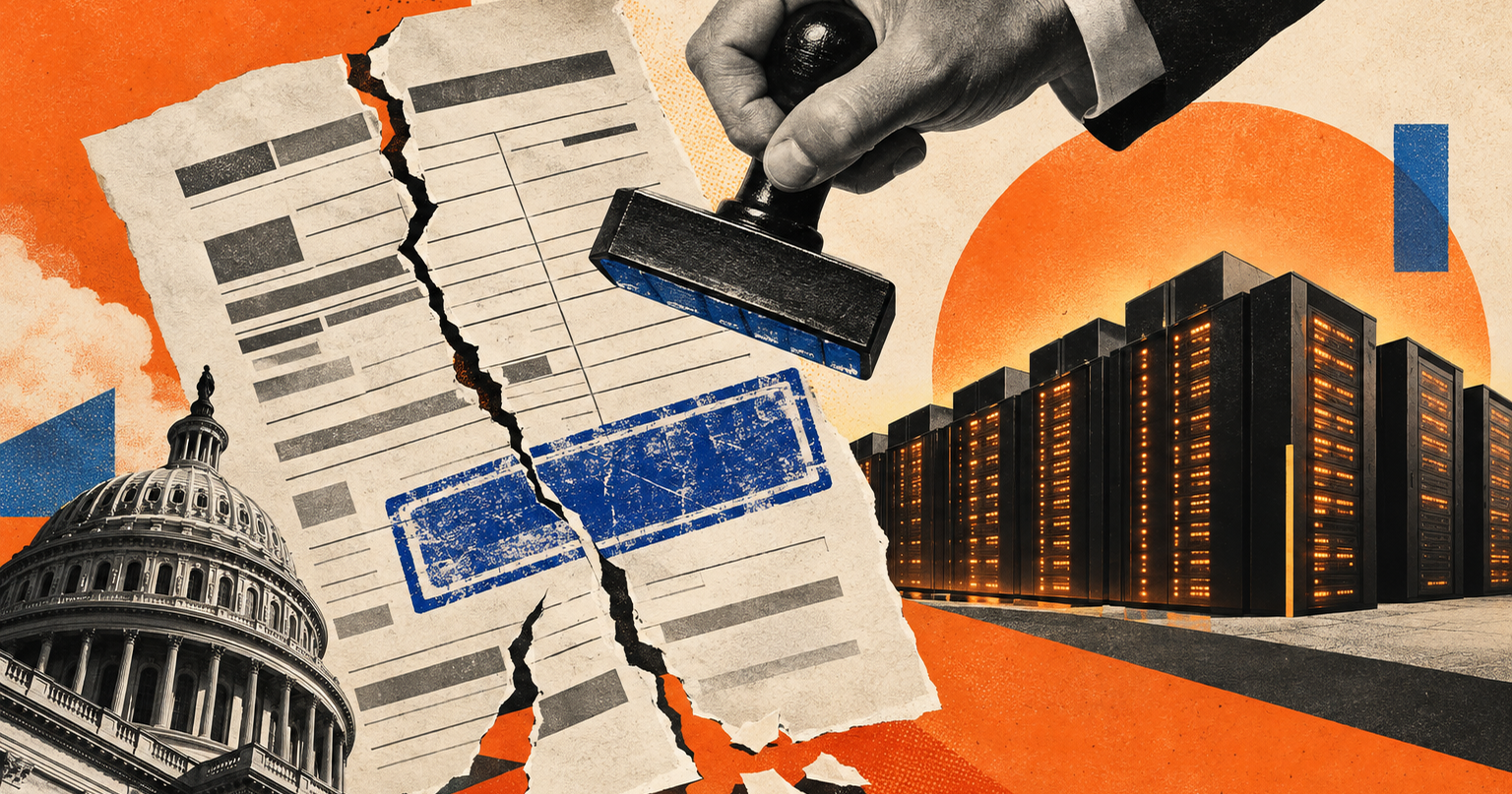
Meta is building some of the largest computing sites on earth, and on its tax return it calls them experiments. The company classified its AI data centers as experimental pilot facilities, a label that lets the Nvidia chips inside them qualify for the federal research and experimentation tax credit.
The payoff has been enormous. According to Quartz reporting that draws on New York Times coverage of the company's filings, the strategy helped slash Meta's federal tax bill by nearly 71%, with research credit savings climbing from about $700 million in 2023 to $2 billion in 2024, then to $3.9 billion in 2025. That makes Meta the largest public-company beneficiary of the credit.
A 1980s break meets the AI buildout
The research credit dates to the 1980s. Congress designed it to reward innovation, the uncertain work of trying something that might not pan out, not the ordinary cost of running a business.
Meta's reading stretches that idea to cover hardware bought by the billions. Starting in late 2024, the company drew a line in its tax accounting between chips headed for AI data centers and chips headed for ordinary ones. The first group went into the experimental bucket.
Tax experts are skeptical. Describing data centers as experimental is "kind of wild," one said, and the IRS has pushed back in the past when companies tried to apply the credit to proven commercial equipment.
How big the claim is
The Joint Committee on Taxation estimates the research credit will cost the Treasury about $32.1 billion in 2025. Meta's $3.9 billion is more than ten percent of that total, claimed by a single company.
The facilities in question are not small test labs. Meta's Hyperion campus in Louisiana has been expanded toward 5 gigawatts of capacity, at a cost above $50 billion.
That scale is part of why the classification draws attention. The public already subsidizes this buildout in ways that rarely get a vote, from confidential utility agreements in Virginia that shaped residents' power bills to grid costs that prompted a House push to shield ratepayers from data center expenses. The research credit adds a federal layer to the same question of who pays for AI infrastructure.
Meta is hedging its own bet
The company's securities filings suggest it knows the position could be challenged. Meta warns investors about uncertainties tied to research tax credits, and the reserve it holds against potential IRS challenges has grown about 45%, from $12.9 billion to $18.74 billion.
A Meta spokesman defended the approach, saying the company is a large investor in US research and development and uses the incentives Congress created to encourage that investment.
The IRS and Meta are already at odds elsewhere. The agency is pursuing hundreds of millions of dollars tied to research deductions for stock options, along with a much larger dispute over profits shifted to the Cayman Islands.
What the IRS does next
No challenge to the data center classification has been made public, and the credit's rules leave room for argument about where research ends and operations begin. A chip cluster training a frontier model can look like an experiment and a product line at the same time.
But the dollar figures are rising fast, and other companies with large AI budgets can read Meta's filings as easily as the IRS can. A position worth $3.9 billion a year to one company will be tested eventually, either by auditors or by competitors who decide to claim it too.
Subscribe to Techpresso
Free daily newsletter, read in 5 minutes.
Subscribe free