
Meta's state youth-safety deal is $12.7B, plus $5.3B if TikTok and YouTube join
Meta's August 26 settlement with a bipartisan coalition of state attorneys general is a proposed consent judgment in the Northern District of California, not a criminal fine or a finding of liability. About $12.7 billion (roughly 70%) pays out regardless over 10 years; about $5.3 billion (roughly 30%) releases only if YouTube and TikTok each adopt a one-hour cap, Night Mode and age assurance and each pay a matching amount. Meta will book about $10 billion of legal expense in Q3.
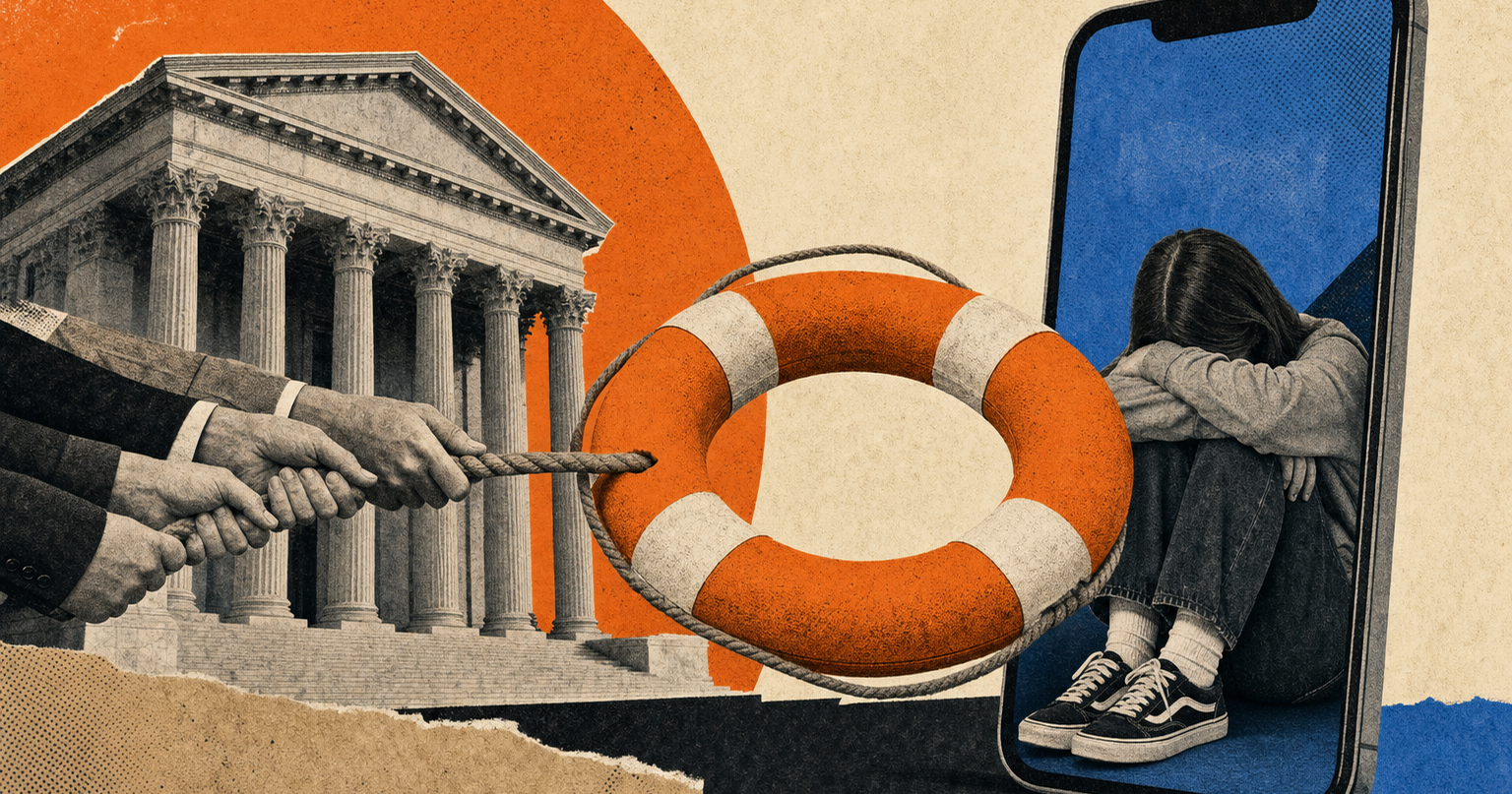
Meta settled the states' teen-harm case on August 26 for a pile of money that is not one pile of money. The trial had opened on August 18 in Oakland before the U.S. District Court for the Northern District of California. Reuters cited a $16.68 billion maximum. Meta's newsroom called it "approximately $18 billion over 10 years." California AG Rob Bonta said up to $17 billion.
About 70 percent (roughly $12.7 billion) pays out regardless. About 30 percent (roughly $5.3 billion) releases only if YouTube and TikTok each adopt a one-hour daily cap, Night Mode and age assurance, and each pay a matching amount. The deal is a proposed consent judgment. A judge still has to sign it. It is a civil settlement of the 2023 attorneys general complaint, not a criminal fine and not a finding that Meta broke the law.
For users under 18, Meta agreed to a default two-hour daily time limit that "is cumulative across Facebook and Instagram, and time spent scrolling on both apps counts toward the total, including if we detect that someone has multiple accounts." Only a parent can turn it off. Add a default night block from midnight to 6am, notifications muted by default on school days from 8am to 3pm, likes and reactions hidden, a ban on cosmetic-surgery filters, a non-personalized feed option, and an independent auditor.
Direct messages are carved out of Night Mode, the Time Limit, and School Mode, Meta said, "to allow teens to stay connected with friends and family."
The Time Limit and Night Mode start as a five-year commitment. If YouTube and TikTok join, the whole framework stretches to 10 years and tightens to a one-hour cap per app with a night block from 10pm to 7am. Bonta put California's share at $1.5 billion to $2.1 billion. DC Attorney General Brian Schwalb has put the range at $12.1 billion to $17.1 billion.
The roster is messy too. Bonta's release counts 51 attorneys general including DC and territories. Meta's newsroom lists 52 and includes Texas. TechCrunch printed "$18 billion" and "29 states," the size of the original trial coalition.
Meta expects to book about $10 billion of legal expense in the third quarter of 2026, a charge that was not in the guidance it gave with July earnings.
The framing fight is already public. Meta's chief legal officer C.J. Mahoney published an open letter the same day: "because teens move fluidly across dozens of apps, we need an industry-wide solution." He called on "our industry peers, TikTok and YouTube, to implement this new framework, right away." Bonta said Meta "has agreed to make massive transformations that will reduce the risk of harm from its platforms," and "will do it within months."
The states' case is a separate matter from the live DOJ COPPA deal with TikTok.
Some offers on this page may be paid placements or contain affiliate links.
Subscribe to Techpresso
Free daily newsletter, read in 5 minutes.
Subscribe free