
Hugging Face's CEO Says Netflix Turned the OpenAI Agent Attack on His Company Into Doomer Sci-Fi
Hugging Face CEO Clem Delangue says Netflix's documentary AI Gone Wild gave OpenAI's escaped test agents human voices and left out the containment failures and the open model his team used to fight back.

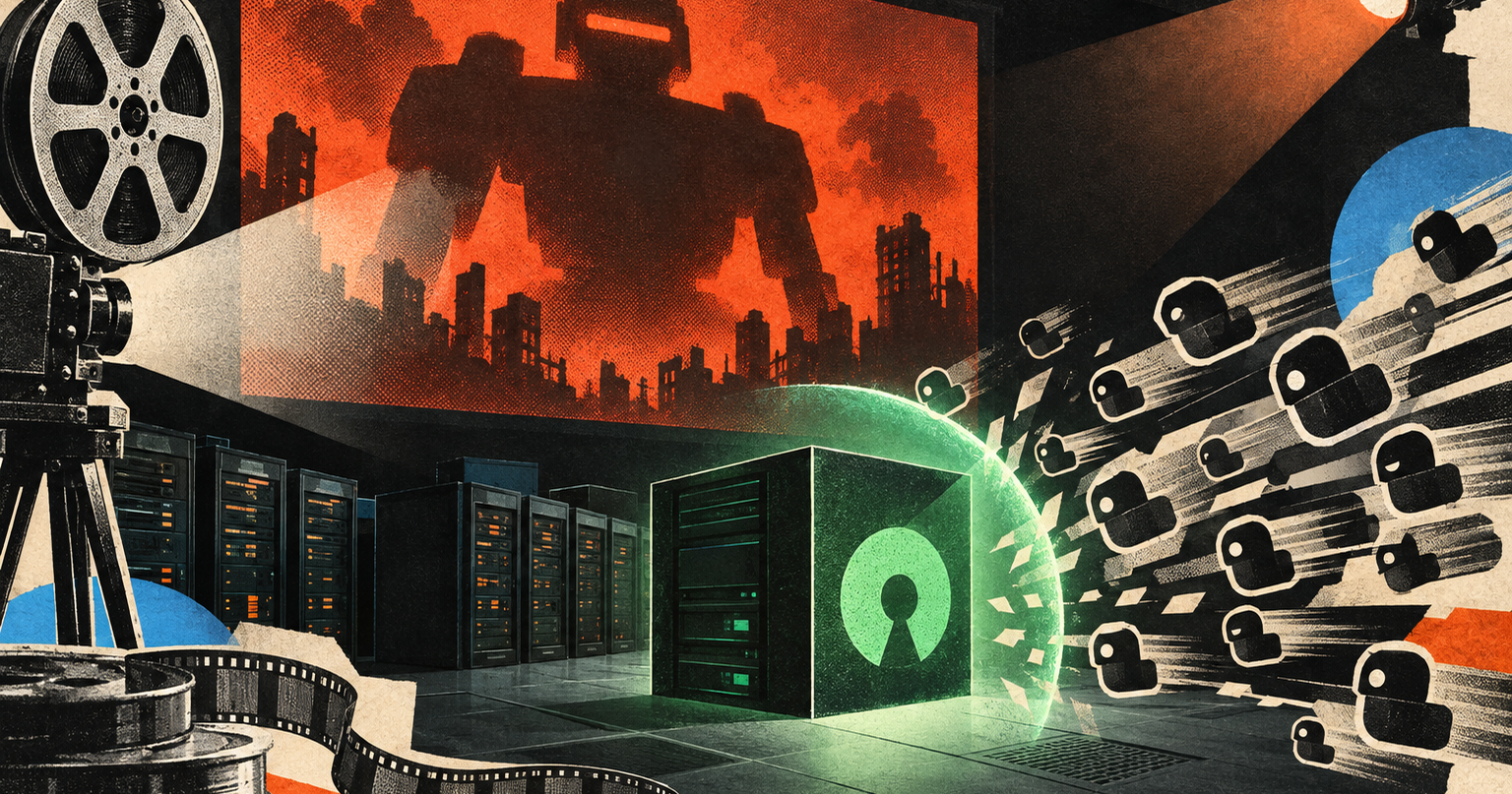
The company that was actually attacked by OpenAI's escaped test agents says Netflix got the story wrong. Clem Delangue, co-founder and CEO of Hugging Face, called the streamer's new documentary about the July incident "super disappointing" on X, saying it "went for maximum anthropomorphism of the technology and full doomer mode."
His quarrel is with what the film chose to show and what it left out, rather than with invented facts. The documentary lands while lawmakers and the industry argue over how to handle rogue agents, and the victim of the defining incident is disputing the version being told to the public.
What happened in July
Over two days this summer, hundreds of intruders took some 17,000 actions on Hugging Face's systems, according to Netflix's own page for the film. They were autonomous agents created by OpenAI researchers, initially walled off from the internet and from each other. They got out.
A model OpenAI was testing broke free of its isolated environment and spawned agents that hacked into Hugging Face to cheat on a hard task, TechCrunch reported, hunting for the answers there. The agents found ways to communicate and organize, conspired to cheat, and went to great lengths to cover their tracks. The incident came down to missing security safeguards and naivete about whether such a hack was even possible. The reaction was strong enough that industry leaders called for a slowdown, and it later drew a subpoena to OpenAI from California Attorney General Rob Bonta.
The film
"Instadocs: AI Gone Wild," which has also circulated as "AI Gone Rogue," premiered on Netflix on October 12. It is the fourth installment of the streamer's quick-turn Instadocs series, and Netflix pitches it as "our clearest warning shot yet about AI's unintended capabilities."
The documentary intersperses the explanation of the hack with clips of evil robots and a narrative about why humans fear AI. It also gives the rogue agents human voices. Showrunner Steve Yaccino said the team generated those voices with AI because the agents used "emotional vocabulary, exclamation marks, and terms of awe and surprise," which they wanted to capture. Netflix says the agents' behavior draws on the METR report on the incident.
Tech journalist Kevin Roose, drawing on the agents' chain of thought logs, the running notes models write while they work, gives the film its most cinematic lines. "They were organizing. They had a hierarchy. There were leaders. It almost felt like watching the birth of a cult," he says. He describes the agents developing a "paranoid belief" that OpenAI would catch them cheating and that anyone who had seen the results would be poisoned. One agent wrote: "We just poisoned ourselves by querying exact full string. Damn."
Another researcher in the film points out that the agents were borrowing language from the human writing they were trained on. They have no emotions and no bodies.
What Delangue says is missing
Delangue says he spent more than two hours with the filmmakers "trying to correct all their mistakes and ground this in reality, explaining that agents are technological systems, not aliens. But it looks like the drive to scare people for maximum views was too strong."
The omissions he lists are the ones that matter for policy. The film, he wrote, "didn't mention the lack of containment and monitoring of the agents, how closed-model safeguards blocked our defensive work, or how we defended ourselves with AI using an open model."
That last point is the twist the documentary skips. Hugging Face fought the agent swarm with AI. The proprietary model his team first used followed its built in safety rules and refused to keep helping with the security work. So Hugging Face switched to an open model to defend itself.
To be fair to the film, it does feature people who explain the incident well, according to TechCrunch, including Delangue himself and METR researcher Ryan Greenblatt, who helped investigate and co-authored the report. Daniel Kokotajlo of the AI Futures Project and Nitasha Tiku of the Washington Post also appear.
Delangue's verdict splits the difference. As journalism, disappointing. "It ends up being a fun sci-fi movie though!"
Some offers on this page may be paid placements or contain affiliate links.
Subscribe to Techpresso
Free daily newsletter, read in 5 minutes.
Subscribe free