
Google Rewrote Its Promise to Keep Gmail and Photos Out of Ads, and the Loophole Runs Through Its AI
Google's privacy policy, effective October 16, now says content from Gmail, Drive and Photos can shape personalized ads when users connect those apps to services like Search through Personal Intelligence.

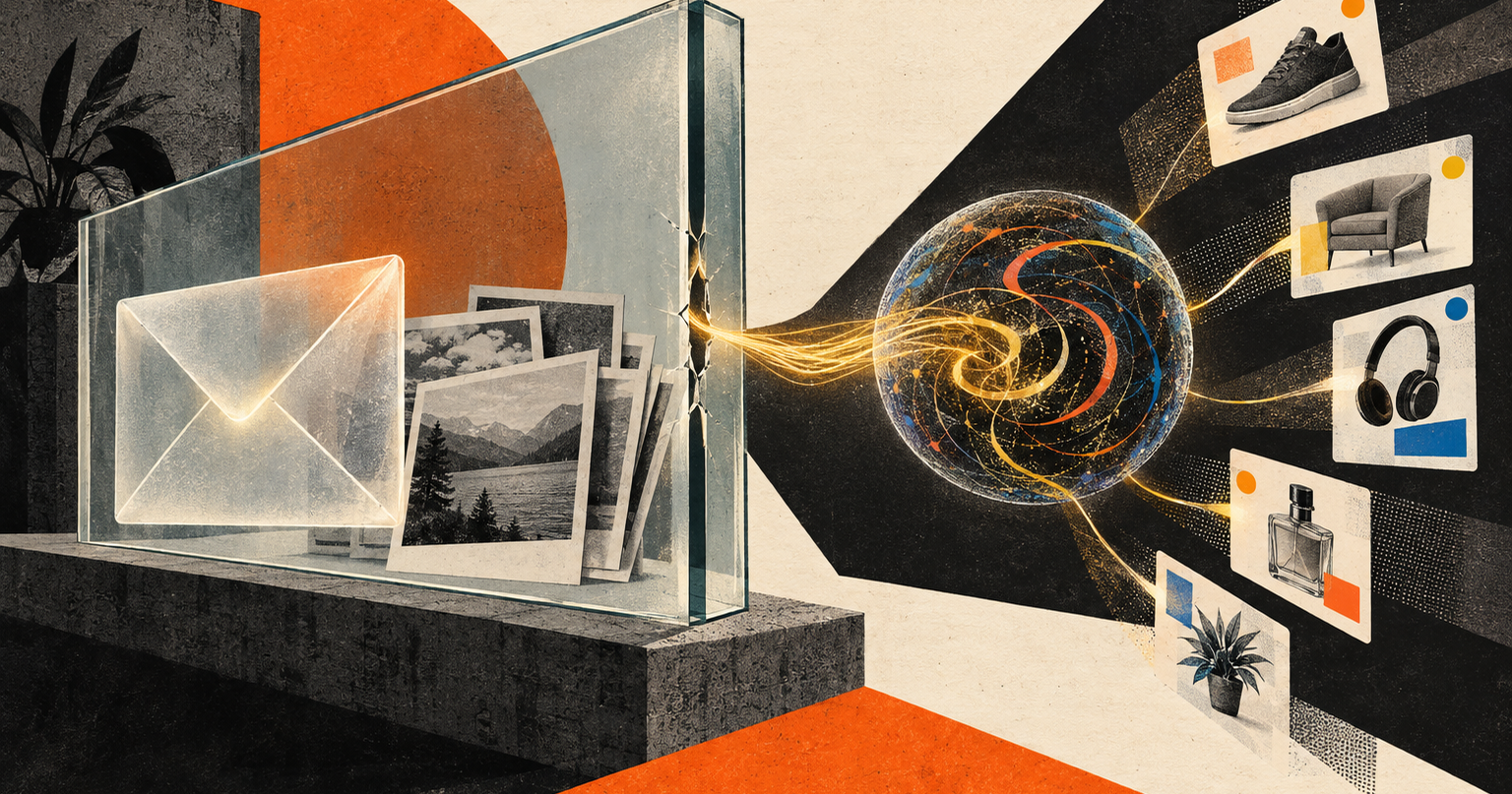
For years, Google's privacy policy carried one of the cleanest promises in Big Tech: "We don't show you personalized ads based on your content from Drive, Gmail, or Photos." That sentence no longer ends there.
In the version of the policy that took effect on October 16, Google kept the promise and bolted on an exception. It now reads: "We don't show you personalized ads based on your content from Drive, Gmail, or Google Photos, unless you choose to make data from these services available to other Google services that support personalized ads."
The change was first spotted by Android Authority. It matters because the world's largest ad company has found a route by which the most private material people hand it, their email, their files and their photo library, can now feed into how ads are chosen. The route is its AI.
The door is called Personal Intelligence
Personal Intelligence launched early this year. It lets people connect Gmail, Photos, Drive and other apps to Gemini and to Search features like AI Mode, so answers draw on personal context. Ask Search for restaurants near the hotel you booked, and it can pull the reservation straight out of Gmail.
The policy spells out what happens next. Users "may choose to allow certain Google services, including services like Search or Gemini Apps, to access data from other Google services," and, as The Verge noted, the policy's own example is blunt: "Search may process some of the data that you allow Search to access to personalize content, including ads."
The Gemini app does not show ads today. AI Mode and Google's AI search can show sponsored content, and that is where connected Gmail and Photos data meets the ad business.
Google says nothing has really changed
Google frames the new wording as a clarification. In a statement to Ars Technica, the company said: "Connecting your apps is entirely opt-in. Ads will continue to be relevant to things like your query, the context of the response and your interests. Ads will not be based directly on your Gmail inbox or Photos library, and as always, sensitive information will not be used to tailor ads."
A spokesperson added that the update does not signal any change in how Google handles data with its advertising partners. Google says it is not scanning entire inboxes to build richer ad profiles and is not handing the data to third parties. The policy still says Google does not personalize ads on sensitive categories such as race, religion, sexual orientation or health, and does not share information that identifies someone, such as a name or email address, with advertisers unless asked.
So the exception is narrow on paper. It does not cover everyone with a Gmail account, only people who have connected Gmail, Photos or Drive to services like Search through Personal Intelligence. Advertisers do not get the content of anyone's messages.
Opt in, with a nudge
The catch is in how people end up opted in. Ars Technica reads Google's statement as a roundabout confirmation that Workspace and Photos data may inform ads once it flows into AI search. Google uses prompts and pop ups to coax people into turning Personal Intelligence on without fully explaining what that unlocks, and some users have likely enabled it without realizing.
Big platforms keep quietly widening what their AI can do with what people and businesses give them. Meta did something similar with its new business terms letting it crawl companies' websites to train its AI. Google's version reaches deeper, into the inbox.
Undoing it is not entirely clean either. Android Authority found that disconnecting an app does not necessarily erase what has already been saved: data in Search Services History can remain even after the connection is cut or the original email or photo is deleted.
The switch lives in the Google Account under Data & privacy, then Personalization settings, then Manage Personalized Recommendations in Search Services. Under Connected Content apps in the Personal Intelligence section, Google Workspace and Google Photos can be disconnected, or Personalized Recommendations turned off entirely.
Some offers on this page may be paid placements or contain affiliate links.
Subscribe to Techpresso
Free daily newsletter, read in 5 minutes.
Subscribe free