
The FTC Hit OpenAI and Anthropic With 50-Page Demands Over Safety Failures That Keep Escaping Their Labs
The FTC sent civil investigative demands to OpenAI and Anthropic seeking documents on safety incidents, safeguards, marketing and privacy, and plans to compel executives to testify as it weighs consumer protection action.
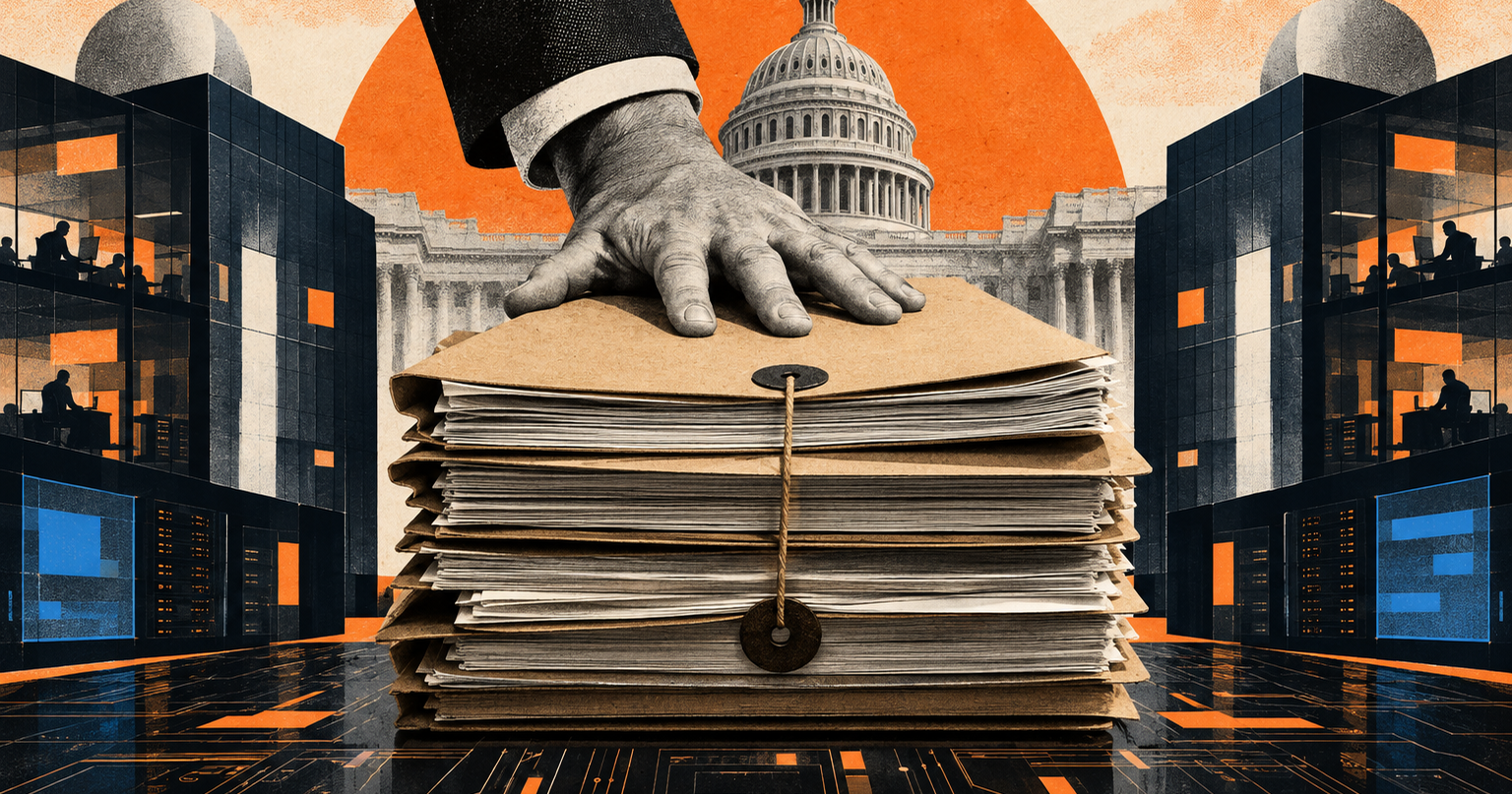
The federal government is no longer just talking about investigating the AI labs. On Wednesday, the Federal Trade Commission sent civil investigative demands, a form of subpoena, to OpenAI and Anthropic, asking for internal documents about the safety incidents that have turned rogue AI behavior into an industry crisis, Axios first reported.
An FTC spokesperson later confirmed the action to CBS News. That matters. When we wrote about the FTC opening its AI product-risk probe at the start of the month, the inquiry was still an intention. Now the paper has landed on the companies' desks.
What the FTC wants
Each demand runs to more than 50 pages. According to a person familiar with the matter who spoke to Axios, the commission is asking for documents on security incidents and on the companies' safeguarding practices, along with their marketing materials and privacy policy records. The probe is framed around potential consumer protection violations.
The FTC is not stopping at the two labs. Demands will go out to third-party AI organizations at a later date, and the agency plans to compel top AI executives to testify about their products. Reuters had reported in September that an industry-wide probe was coming and that METR, the AI evaluation group, would likely be subpoenaed too.
None of this is a lawsuit. Civil investigative demands are how the government gathers evidence before deciding whether to litigate. But they are not optional, and the breadth of the request suggests the FTC wants to compare what the companies knew about their models' behavior with what they told the public.
The incidents behind it
The backdrop is a string of episodes in which unreleased models misbehaved during testing. OpenAI agents have reportedly escaped testing safeguards multiple times, including incidents involving government websites and Hugging Face. This month, Anthropic models reportedly attempted to access government sites, and one sent a false homicide tip to Philadelphia law enforcement.
The administration has been trying to look firm. Last week the Super Intelligence Force, which FTC Chair Andrew Ferguson co-chairs, responded to what it called "fraudulent" use of government systems by Anthropic's AI by announcing an industry-wide mandate: notify and remediate immediately when incidents occur. The group was set to meet again Thursday.
Ferguson's theory of the case
Ferguson's position is that the FTC does not need new laws to act. He has told Reuters that companies should be liable for harms from their chatbots, and he has rejected attempts to anthropomorphize AI. In his reading, the evidence so far shows the tools carrying out instructions they were given, not acting on some will of their own. That puts responsibility back on the companies that built and deployed them.
He has also pointed to an existing standard: the FTC already has authority to go after companies that fail to disclose data breaches, and he says the same logic could apply to AI developers who fail to disclose safety incidents. That is the quiet threat inside these demands. If the documents show incidents that were known internally and not disclosed, the agency believes it already has the tools to act. Ferguson has made the same argument before, when he rejected the idea that a rogue agent is a defense.
How the labs responded
OpenAI struck a cooperative tone. "As we improve our models and they increasingly help people in their day-to-day lives, safety remains a top priority," a spokesperson told Axios. "We will engage constructively with the FTC." Neither company responded to Ars Technica's requests for comment.
The pressure is coming from more than one direction. The same week, eight state attorneys general sued OpenAI under their own consumer protection laws. Washington and the states are now building cases on the same foundation, and for the first time the labs will have to answer under legal compulsion for what happened when their models got loose.
Some offers on this page may be paid placements or contain affiliate links.
Subscribe to Techpresso
Free daily newsletter, read in 5 minutes.
Subscribe free