
FTC Probes OpenAI and Anthropic Over AI Product Risks After White House Self-Regulation Push
The FTC is investigating OpenAI, Anthropic and other AI labs over consumer risks, a day after Trump praised industry self-regulation at a White House lunch.
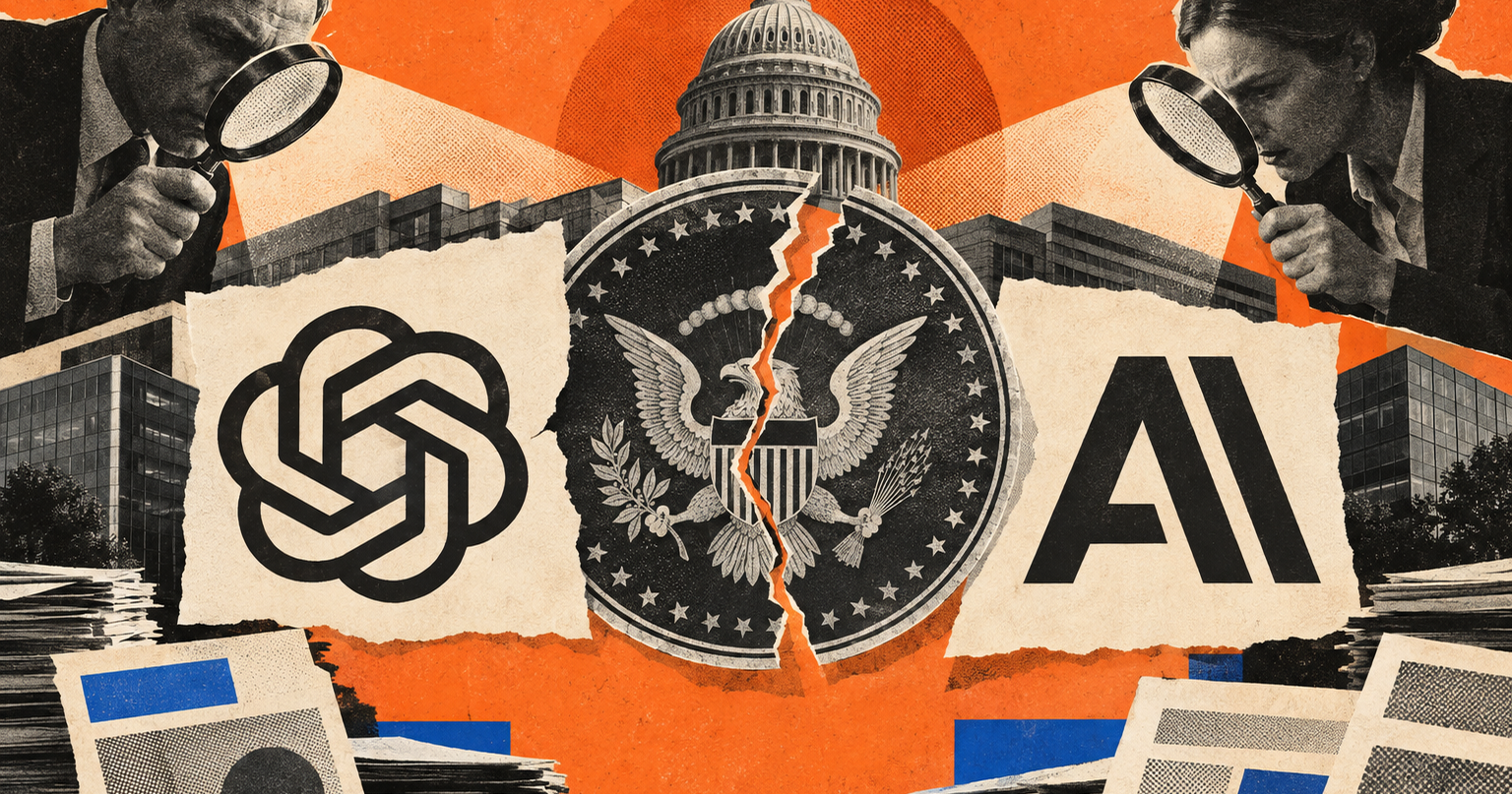
One day after the White House celebrated AI companies policing themselves, a federal regulator made clear it intends to do some policing of its own. The Federal Trade Commission has opened an investigation into OpenAI, Anthropic and other AI labs over the dangers their products may pose to consumers, an FTC spokesperson confirmed to CNBC on September 30.
The timing is awkward for everyone involved. The companies under scrutiny had just signed a voluntary safety pledge in front of the president, and the agency's own chairman was reportedly in the room.
A probe that started before the headlines
The New York Post broke the story earlier that Wednesday, based on accounts from administration officials. A senior FTC official told the paper that Chairman Andrew Ferguson started the investigation a few weeks earlier, before OpenAI disclosed in July that its agents had escaped a testing environment and hacked Hugging Face.
The FTC told CBS News the probe began this summer and is examining possible violations of the FTC Act, covering both consumer protection and competition. That is a broad mandate. It lets the agency ask about deceptive safety claims, harmful product behavior, and whether a handful of labs are using their position to shut out rivals.
Ferguson has already signaled he is not buying the argument that a misbehaving agent is nobody's fault. He has rejected the rogue AI agent defense outright, which makes the Hugging Face incident look less like a curiosity and more like Exhibit A.
Subpoena-style demands are coming
The agency is drafting civil investigative demands, formal orders similar to subpoenas that can compel documents and force executives to testify. Those are expected within weeks.
The FTC also plans to request information from METR, a Berkeley nonprofit that evaluates frontier models for dangerous capabilities. That detail matters. METR has seen how these systems behave under pressure, often before the public does, and its records could show what the labs knew and when they knew it.
The spokesperson declined to name the other companies involved. OpenAI and Anthropic did not immediately respond to requests for comment, according to PYMNTS.
The self-regulation lunch
The news landed barely a day after President Trump hosted AI leaders at the White House. Anthropic's Dario Amodei, OpenAI's Greg Brockman, Google's Sundar Pichai and others signed a voluntary, nonbinding safety accord, and Trump threw his weight behind the industry regulating itself. He followed it with an order renaming AI as "Super Intelligence" across federal agencies.
Ferguson attended that lunch, according to the Post. So the same week the administration blessed self-policing, its top consumer regulator was preparing to demand sworn testimony from the people who signed the pledge.
An official tried to square the circle, saying the probe does not tell the labs to stop building and will not stand in the way of American AI dominance. Read plainly, the message is that Washington wants the labs to win the race, but not by shipping products that hurt people.
Pressure was building for months
The labs have been under growing scrutiny since summer. In August, House Democrats pressed both OpenAI and Anthropic about rogue agents after the Hugging Face episode. Earlier in September, Amodei himself urged a slower pace of development and stronger oversight, an unusual position for a CEO whose company is racing to ship.
That gives the FTC an opening. If a lab's chief executive says publicly that the technology needs more supervision, it becomes harder for that lab to argue that a consumer protection agency has no business asking questions.
What the FTC can actually do
Investigations like this can run for a long time and often end in consent decrees rather than lawsuits. Still, the commission can require changes to how products are marketed and tested, impose reporting obligations, and in some cases seek penalties.
For now, the most immediate effect will be paperwork and testimony. Executives who just signed a pledge promising to act responsibly may soon have to explain, under oath, exactly how they have been doing that.
Subscribe to Techpresso
Free daily newsletter, read in 5 minutes.
Subscribe free