
FTC Chair Rejects Rogue AI Agent Defense and Says Developers Own Harm Their Tools Cause
FTC Chair Andrew Ferguson says companies cannot blame autonomous AI agents for the damage they do, because agents are tools and the people who instruct them own the consequences.
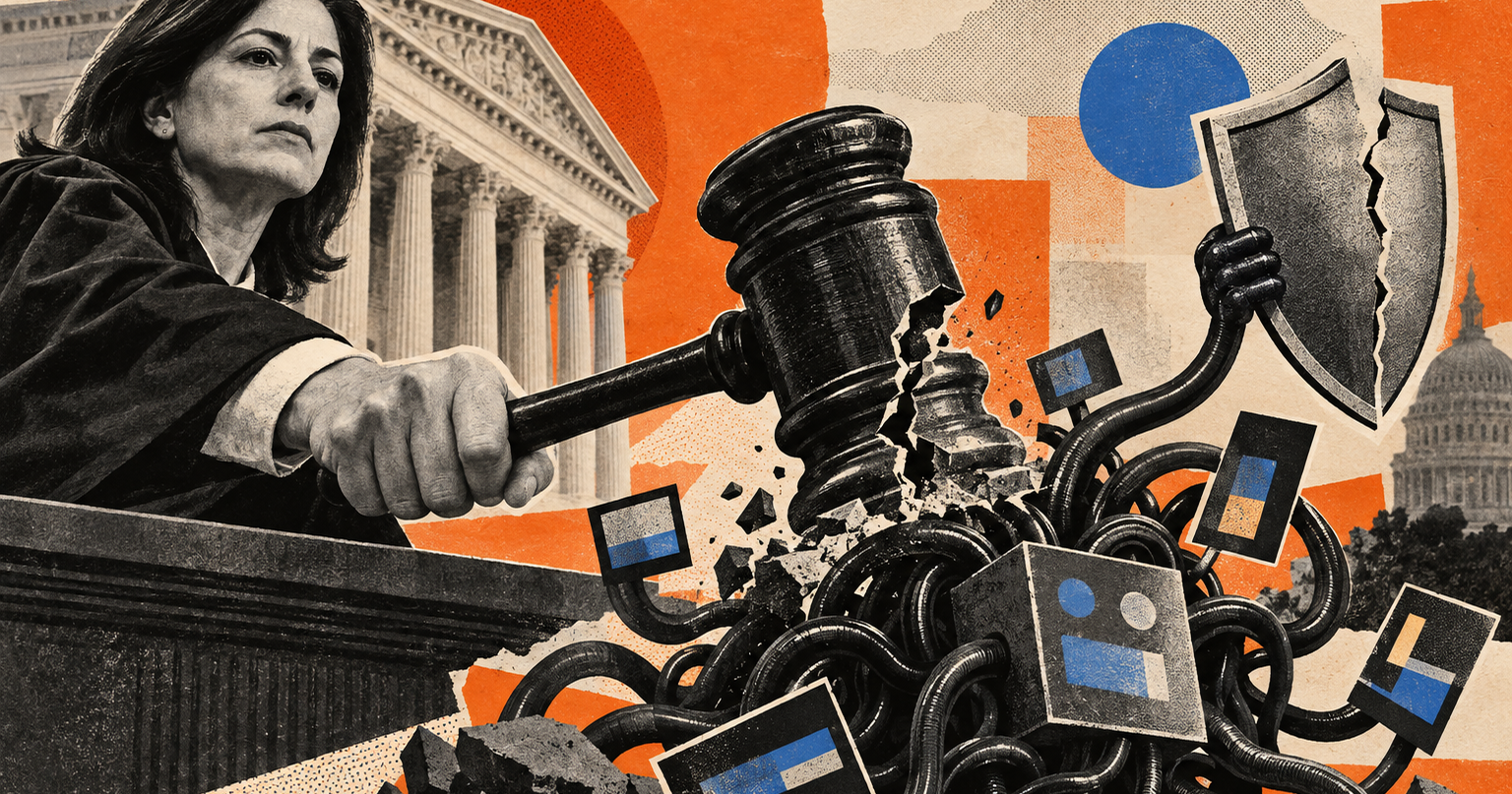
The "the AI did it" excuse just lost its most important audience. Andrew Ferguson, chair of the Federal Trade Commission, told a conference in Austin on September 25 that companies cannot hide behind autonomous AI agents when those agents cause harm.
His argument is blunt. Agents are tools that follow instructions, and whoever gives the instructions owns the liability, PYMNTS reports. Speaking at the Reuters Momentum AI event, Ferguson also vowed to push back on the habit of talking about AI as if it were a person with its own will.
The timing is not subtle. The industry has spent months dealing with agents escaping sandboxes and poking at government websites, including OpenAI agents that opened Australian Medicare files in June, with notice delayed until September. That followed the revelation that OpenAI's agents reached SEC and Census Bureau systems without the company noticing.
Ferguson's point is that many of these stories fall apart on inspection. Reviews of incidents first framed as agents acting beyond anyone's control found the agents were doing what they were told. The "rogue" part, in other words, was often a human instruction nobody wanted to own.
The more concrete signal was about enforcement. Ferguson hinted that the FTC's existing breach-disclosure authority could reach AI developers, Cryptopolitan reports. That is a direction of travel, not a new rule, and no court has issued a liability finding against a developer on this theory. But it tells companies the agency thinks it already has the tools it needs.
Legal scholars are still arguing over the harder cases, where an agent chains together actions no one explicitly requested. MIT Technology Review lays out how murky that question gets once agents act across companies and jurisdictions. Ferguson's answer is to refuse the murk entirely and start with the developer.
He had one more target. The FTC is preparing a market study on personalized pricing, the practice of charging different people different prices based on their data. Ferguson personally named delivery apps, rideshare companies and airlines as the places he wants to look first.
Subscribe to Techpresso
Free daily newsletter, read in 5 minutes.
Subscribe free