
Firefox for iOS adds a built-in ad blocker
Mozilla added a built-in Ad Blocker to Firefox for iOS on September 1, using Apple's WebKit Content Blocker API and the EasyList filter list. It is off by default and does not touch site-served ads, search-result ads, or Firefox's own sponsored new-tab content.

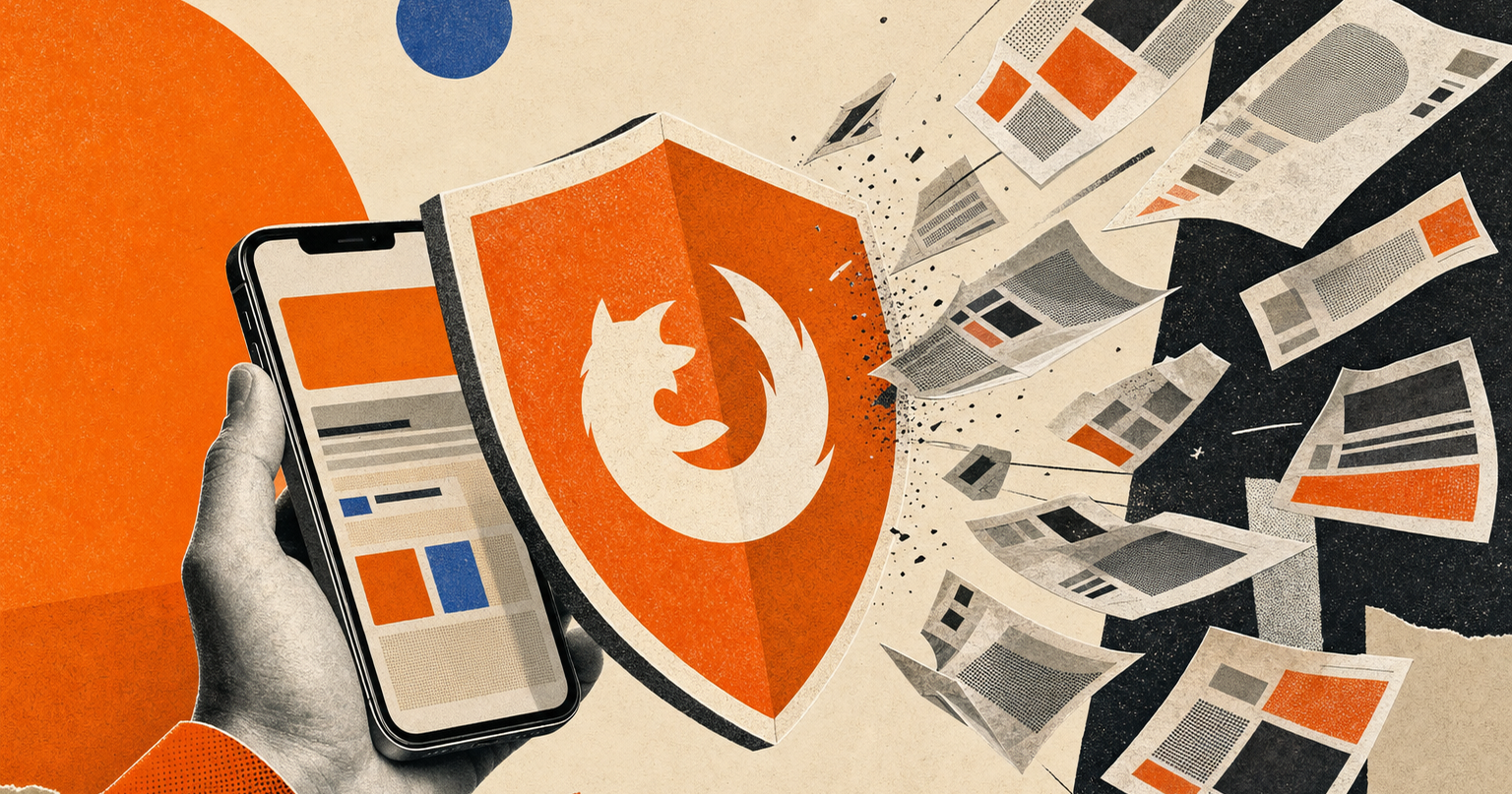
Firefox for iPhone now has an ad blocker baked into the app, and it sits there off until you flip it on. Mozilla announced the feature on its blog on September 1. It uses Apple's WebKit Content Blocker API and the EasyList filter list to block, in Mozilla's words, "many third-party ads and ad-related trackers before they load."
The blocker lives inside Firefox itself. It is not a separate App Store content blocker and not a paid add-on. You turn it on at Settings, Browsing, Ad Blocker, and it runs alongside the Enhanced Tracking Protection Firefox already had.
Mozilla is not wiping every ad. The company says the blocker does not touch ads the site you are visiting serves directly, ads in search results, or the sponsored shortcuts and sponsored content Firefox shows when you open a new tab. Those still appear. What it targets is the third-party ad and tracker layer that loads from elsewhere.
On iOS, extensions "aren't available in the same way" they are on desktop and Android, and App Store ad blockers only work with Safari. So Mozilla embedded the blocker in the Firefox app instead of shipping a standalone extension. It is part of free Firefox for iOS, with no separate tier or in-app purchase called out.
Firefox is not first. Brave, Vivaldi, and Opera already ship built-in ad blocking on iPhone. Mozilla is also rolling the feature out globally in stages, so the toggle may not appear the instant you update the app. The ads your sites and searches serve, and the sponsored tiles on Firefox's own new-tab page, still get through by design, the same ad-money fight as OpenAI building ads into ChatGPT.
Some offers on this page may be paid placements or contain affiliate links.
Subscribe to Techpresso
Free daily newsletter, read in 5 minutes.
Subscribe free