
The FCC Just Banned Its First Gadgets Over a Single Huawei Chip Inside Them, and It Isn't Naming Them
The FCC barred a dashboard camera and a wireless video transmitter from the US market because both contain a Huawei HiSilicon camera chip, the first use of its new component level ban, without saying which products it blocked.

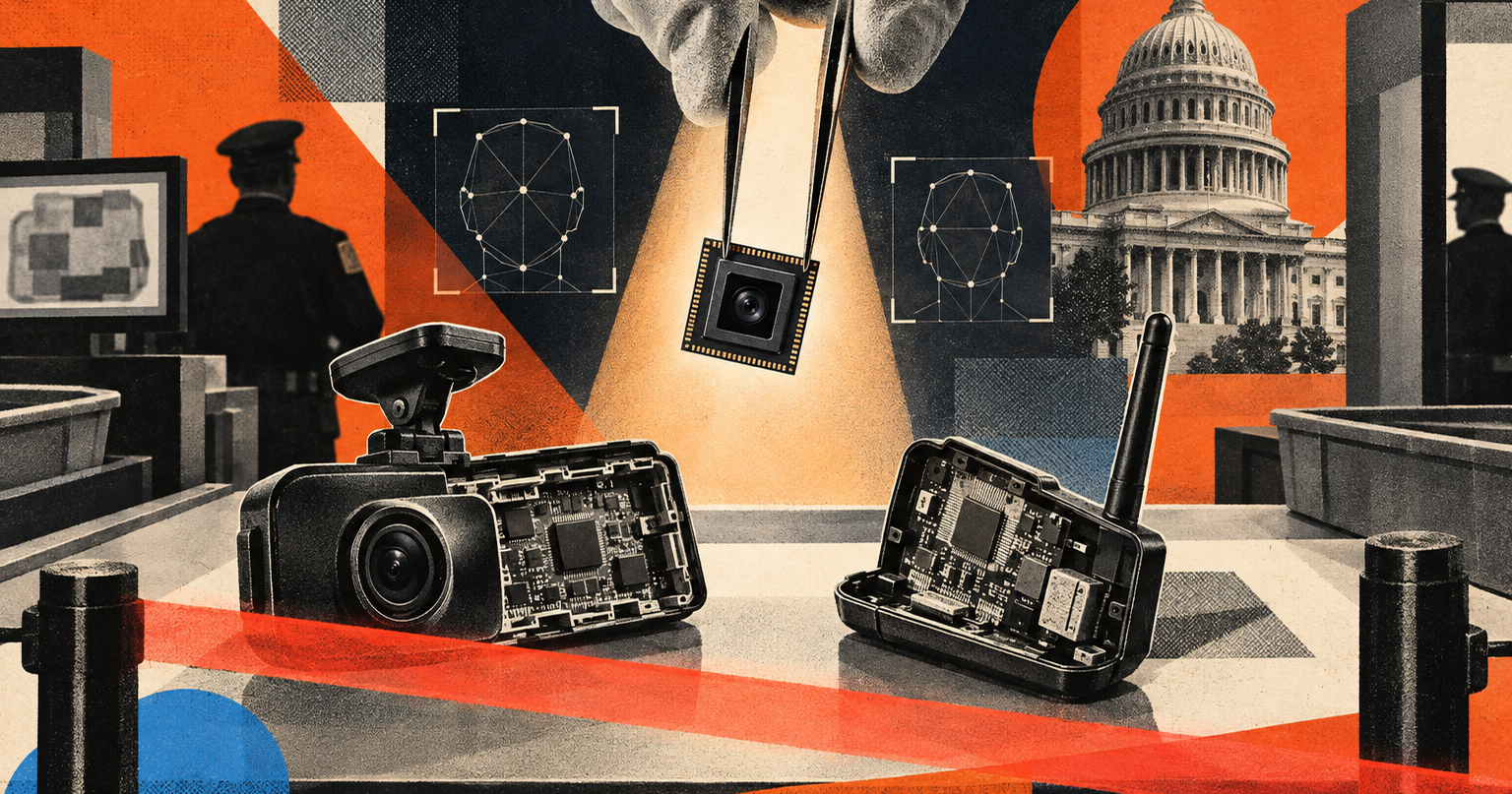
On Thursday, October 22, the Federal Communications Commission blocked two gadgets from the US market, a dashboard camera and a wireless video transmitter. They were barred because of one chip inside them, a camera processor from Huawei's subsidiary HiSilicon that the agency calls a "foreign surveillance chip."
It was the first use of a power the FCC handed itself only nine days earlier. And the agency did not say which products, or which brands, it had just banned.
A ban that reaches inside the box
The rules that took effect on October 13 bar devices containing "smart," logic bearing components made by companies on the Covered List. That list, kept under a 2019 regulation, names makers of video surveillance, communications and technology products the government believes threaten national security. Huawei and its subsidiaries are on it.
Until now, the FCC's own rules did not stop "otherwise lawful devices" from carrying parts made by those companies. A banned firm's chip could ride inside another brand's camera and sail through. The new rule closes that gap, which means the US now polices gadgets at the component level. How products land on the list is itself contested: House leaders are already moving to overhaul how the Covered List works.
FCC Chairman Brendan Carr framed the two products as potential spyware. "Video devices containing surveillance chips produced by Covered List entities pose an obvious and unacceptable risk to the nation and our people," he said, adding that the agency "will continue to act with vigilance in protecting and promoting America's national security." Huawei did not immediately respond to a request for comment.
What the chip does
The part in question is the HiSilicon Hi3516CV610 UHD Smart Vision SoC. The FCC quoted HiSilicon's own marketing, which describes it as "designed for the surveillance market" with "built in detection algorithms for human faces."
On paper it is a small, capable camera brain. It packs WiFi, Ethernet, video encoding, an Arm Cortex A7 core and a neural processing unit, according to its specs. Its datasheet advertises an Intelligent Video Engine that runs a built in multimodal large model with transformer acceleration, tracking pets, faces, human figures and parcels across frames. That NPU is the "smart" component that trips the new rule.
The chip turns a raw camera sensor into a home security camera, a dashcam or something similar. Listings on AliExpress often sell it bundled with a Sony camera sensor and sometimes a lens, ready to drop into a cheap camera. The FCC has not claimed any of those devices were caught spying; its case rests on what the chip is built to do and who made it.
An agency that won't explain itself
The Verge noticed what was missing: the FCC never named the gadgets, did not answer a request for comment, and has declined many requests to talk about these efforts at all.
The ban also fits a pattern. The commission has already given itself powers to retroactively ban gadgets and to block modular radio transmitters, and it has gone after routers and Roombas. Each time the same question comes up. Is the agency making people safer, or picking winners and losers while staging a show of enforcement?
Without product names, buyers cannot tell whether the dashcam on their windshield is one of the two. And without explanations, nobody outside the FCC can judge how the next chip gets chosen.
Some offers on this page may be paid placements or contain affiliate links.
Subscribe to Techpresso
Free daily newsletter, read in 5 minutes.
Subscribe free