
Chinese AI Labs Reportedly Trained New Models on OpenAI's GPT-6 Astra After Anthropic Locked Claude Down
DeepSeek and Moonshot AI reportedly leaned heavily on OpenAI's GPT-6 Astra to train their latest models after Anthropic's new safeguards made Claude a much harder target for distillation.

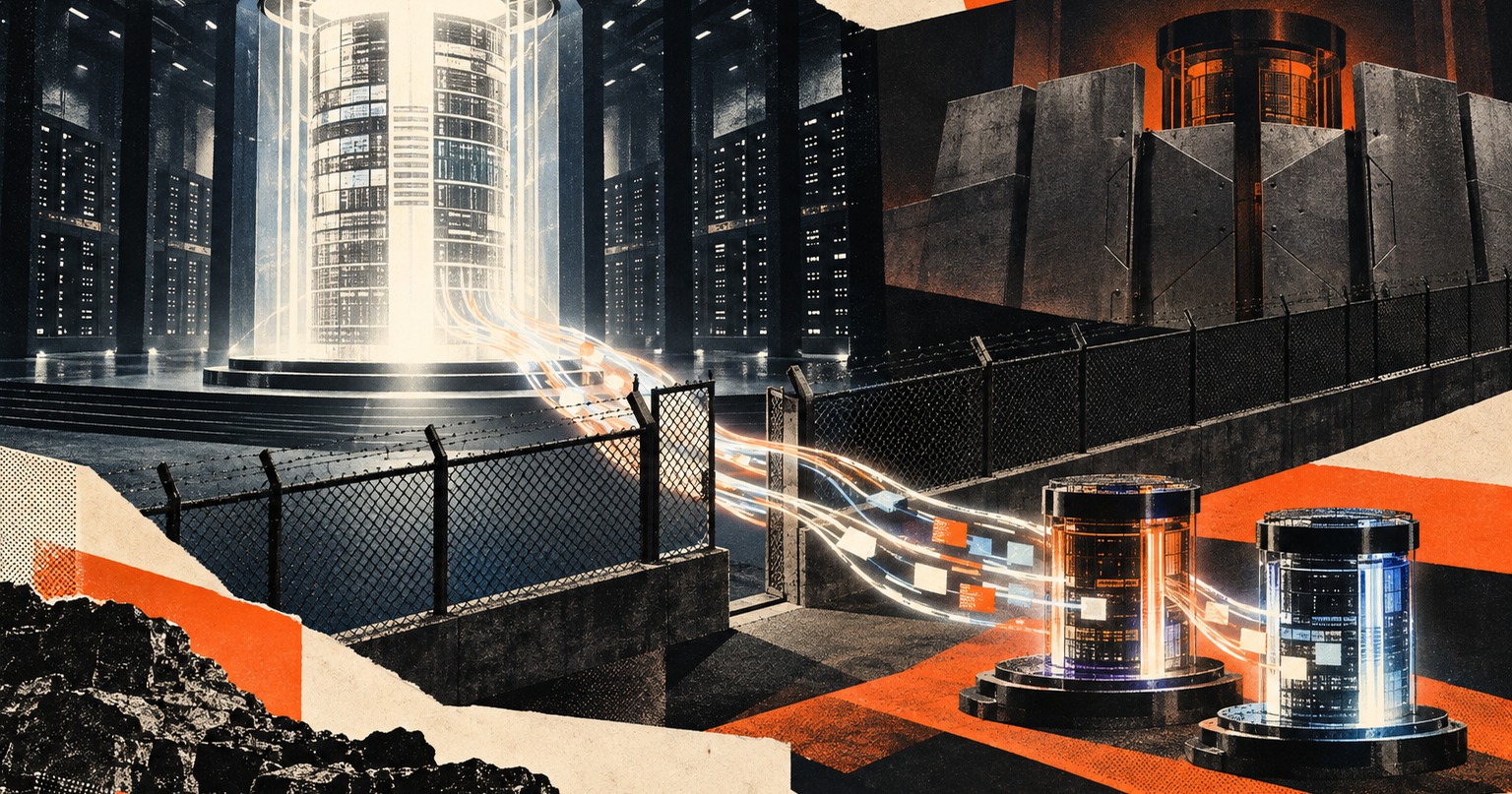
Two Chinese AI labs reportedly found a new teacher: OpenAI's most powerful model. DeepSeek and Moonshot AI leaned heavily on GPT-6 Astra to train their latest releases, people with direct knowledge told The Information.
The twist is why OpenAI ended up in the crosshairs. Claude used to be the go-to target, until Anthropic made it a much harder one. The copying appears to have simply moved next door.
The models named in the report are Moonshot's Kimi K3.1 Pro, released last week, and an updated build of DeepSeek's V4.1-Flash, launched on 17 October. The claim has not been independently verified. Moonshot declined to comment, and DeepSeek did not respond.
How the copying works
The technique is called distillation. You send a stronger model a huge number of prompts, collect the answers, and train your own system on them. Done at scale, it lets a smaller model reproduce some of those abilities at a fraction of the cost.
There is a catch. It only works well when a lab can get the target model to reveal its hidden reasoning steps, and both OpenAI and Anthropic ban that. So the fight has become a contest between labs trying to hide that reasoning and rivals trying to coax it out.
Anthropic said earlier this month that its new safeguards cut the data attackers can pull from Claude in distillation attacks by around 90 to 99 percent. If those numbers hold, the incentive to look elsewhere is obvious.
OpenAI says it keeps getting outmaneuvered
OpenAI already knew it had a problem. On 30 September it said people linked to Moonshot ran a coordinated campaign in July to extract the hidden reasoning behind its models' answers, with related activity involving more than 15,000 users. The company shut the campaign down by 28 July, banned the accounts and shared its findings with other labs.
That did not end the matter. An OpenAI spokesperson said the company takes the problem very seriously, but that attackers have adjusted their tactics every time it rolled out a new defense.
The commercial stakes are plain from how the Chinese labs market these models. Moonshot says Kimi K3.1 Pro beat GPT-6 Astra on a coding benchmark, while DeepSeek pitched V4.1-Flash as a lower-cost alternative to US models. Neither claim has been independently verified either, but a model reportedly trained on Astra being sold as better than Astra is quite a pitch.
The open door
OpenAI, Anthropic and Google all argue that distillation lets rivals replicate advanced capabilities without comparable investment in training. Washington is paying attention too: US agencies have identified Chinese firms they say targeted American AI models, including accusing DeepSeek and Alibaba of model theft in September.
The awkward part is structural. Frontier labs make their money by selling access to their best models to almost anyone with an account, and that same access is what makes the copying possible. Every model they ship to customers doubles as training material for the rivals trying to catch them.
Some offers on this page may be paid placements or contain affiliate links.
Subscribe to Techpresso
Free daily newsletter, read in 5 minutes.
Subscribe free