
Google DeepMind Chip Engineer Quits Saying the Race to Superintelligent AI Is Inherently Irresponsible
Robert O'Callahan, who worked on DeepMind's next-generation AI chips, resigned saying the pace of AI change is far too high and aiming for superintelligence soon is irresponsible.
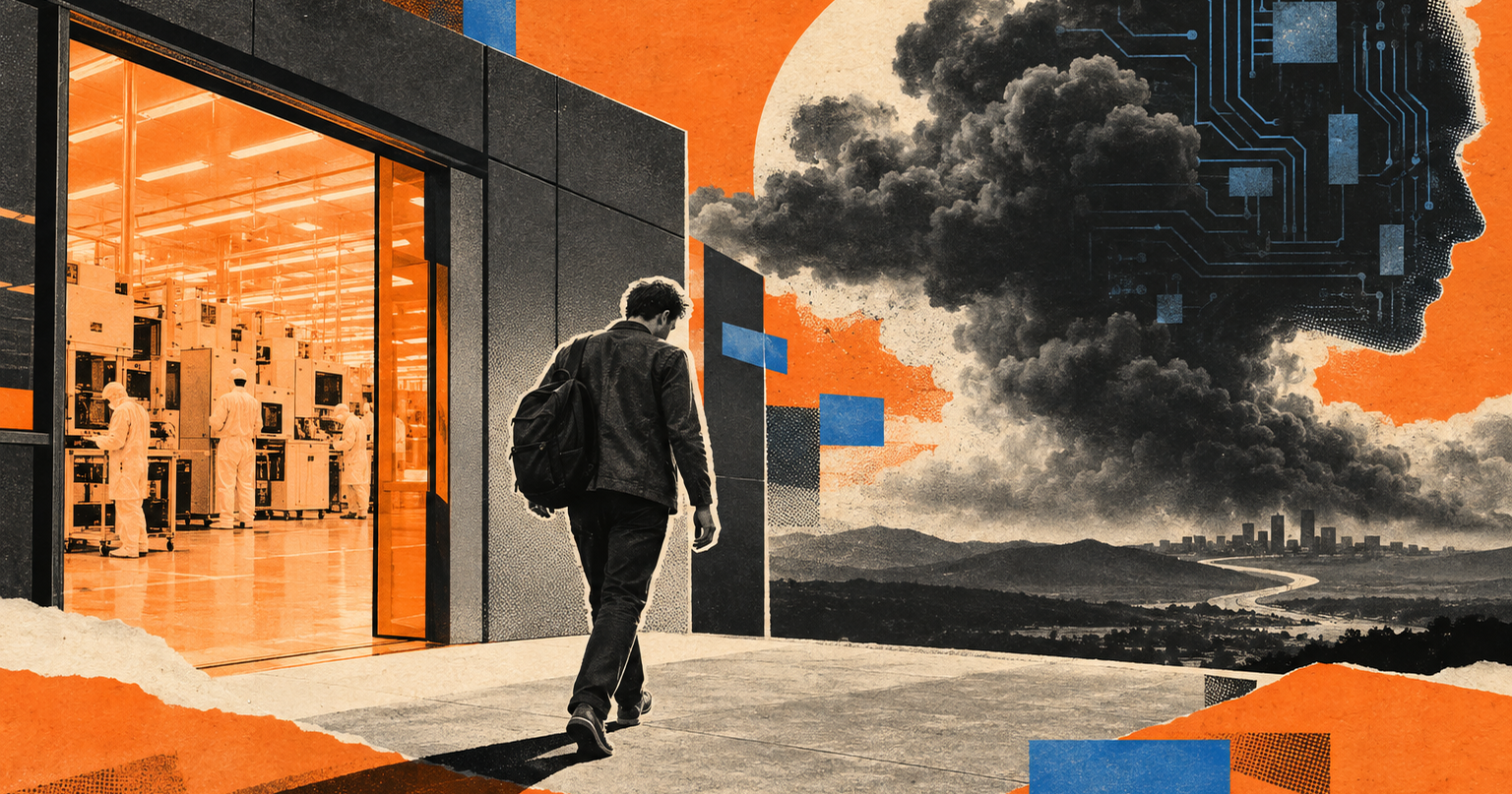
A Google DeepMind engineer who helped make AI cheaper and faster to run has walked out, saying he can no longer justify the work.
Robert O'Callahan resigned on Friday, September 25, from DeepMind in New Zealand. He was a technical expert on a team building the next generation of chips meant to speed up AI and cut its cost. In his note, he wrote that AI's "current rate of change is far too high" and that aiming for superintelligence in the near future is "inherently irresponsible."
The chips are the point
This is not a policy researcher leaving over a memo. O'Callahan's job sat close to the engine of the race. Cheaper, faster hardware is what lets labs train bigger models and serve them to more people, and he says contributing to that acceleration stopped sitting right with him.
He does not claim doom is certain. He calls the risk from artificial superintelligence "real but uncertain," and while he links to Eliezer Yudkowsky and Nate Soares's book If Anyone Builds It, Everyone Dies, he stops short of endorsing its conclusion wholesale.
A long list of harms
His worries go well beyond rogue superintelligence. He points to "cognitive surrender," AI-induced psychosis and loneliness, power concentrating in a few hands, economic disruption, cybersecurity risks and a lack of accountability. Weighing it all, he says he would bet the harms outweigh the benefits.
He also framed the decision as a matter of faith, writing that staying would not be "a Jesus-following thing to do," according to Business Insider.
Quiet colleagues
The sharpest line may be about the people he left behind. O'Callahan says many DeepMind colleagues share his concerns but rarely say so in public. Google declined to comment.
His exit follows other public departures, including Bilal Chughtai from DeepMind and Jacob Coxon from Anthropic. O'Callahan says the timing is a coincidence tied to a backpacking trip, not a coordinated protest, and nothing suggests a broader walkout.
What comes next
He says he wants to do "unambiguously pro-human" work. That does not mean abandoning AI entirely: he still hopes to study how agents can help debug code.
His warning lands as the industry pushes the other way. Tech leaders have been lobbying against an AI watchdog, and Beijing has dismissed calls to slow down as fear-mongering. One engineer leaving will not change that pace. It does show that some of the people building the hardware are uneasy about where it leads.
Subscribe to Techpresso
Free daily newsletter, read in 5 minutes.
Subscribe free