
Apple's New CEO Calls the Memory Shortage a Crisis and Keeps Chinese Chips on the Table Despite Senators
John Ternus told TIME the memory chip shortage is a crisis and that all options should be on the table, months after seven senators demanded Apple rule out memory from Chinese chipmakers CXMT and YMTC.
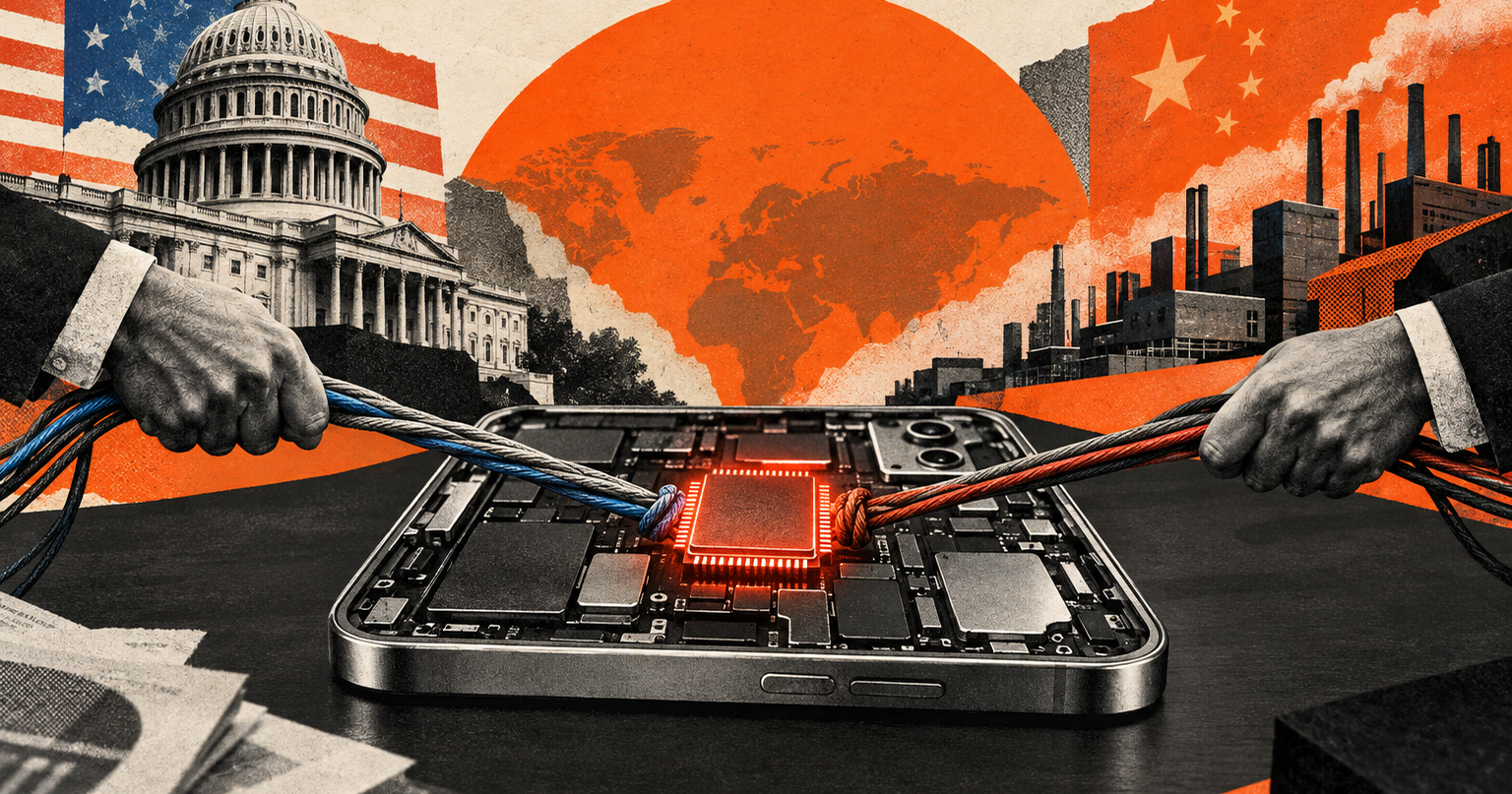
John Ternus has been Apple's chief executive for six weeks, and he has already picked a fight Tim Cook spent the summer trying to manage quietly. Asked about Apple's reported testing of memory chips from a Chinese company, the man who took over from Cook on September 1 did not back away from it.
"The constraints in memory are absolutely a crisis," Ternus told TIME in the second of two interviews in September. "So our fundamental belief is that all options should be on the table."
He did not name a supplier, and he did not say Apple will buy Chinese memory. No supply deal has been confirmed. But he refused to rule it out, and in Washington that alone is a provocation.
Why Apple is squeezed
The AI data center boom has pulled memory makers toward high-performance products like HBM, the stacked memory that feeds AI accelerators. That leaves less capacity for the ordinary memory that goes into phones and PCs. TIME describes the result as an ongoing global shortage that has raised costs and delayed production timelines.
Apple buys from three suppliers: Samsung, SK hynix and Micron. According to Korean business press reports from Seoul Economic Daily and Herald Business, Apple concluded in the first half of the year that those three could not cover its needs and held talks with two Chinese makers, ChangXin Memory Technologies (CXMT) and Yangtze Memory Technologies (YMTC). In July the Financial Times reported Apple had begun testing CXMT memory, and the Korean outlets say that testing is believed to be continuing.
The timing is awkward. The $1,999 iPhone Duo foldable is on the cover of TIME's Best Inventions issue, and every new device Apple ships needs memory it is struggling to buy.
Seven senators said no
The FT report drew a fast bipartisan response. On July 30, Senators Jeanne Shaheen, Jim Banks, Chuck Schumer, Mike Crapo, Andy Kim, Jim Risch and Pete Ricketts wrote to Cook asking Apple to commit that no CXMT or YMTC memory would end up in any Apple product sold anywhere in the world.
Their case is blunt. The Pentagon has designated both companies as Chinese military companies under Section 1260H. The FY2023 defense authorization bars federal agencies from buying products containing CXMT or YMTC chips starting in December 2027. And state-owned shareholders held more than 35% of CXMT ahead of its planned Shanghai listing.
The senators also had history on their side. Apple evaluated YMTC flash storage for the iPhone in 2022 and backed off after congressional scrutiny. They asked for answers by August 21, and pressed Apple on its alleged lobbying of the Trump administration against national security restrictions.
The China-only escape hatch
Cook has reportedly backed a compromise: use Chinese memory only in devices sold in China. The senators saw that coming and rejected it in advance. A China-only limit "cannot be expected to hold," they wrote, "because once a part clears qualification for Apple production, extending it worldwide is a single procurement decision away."
Micron, the only American name in Apple's supplier trio, has its own stake. It lobbied Commerce Secretary Howard Lutnick and other officials against letting Chinese makers supply big US tech companies, the Korean reports say. Lutnick said in August it was "not desirable" for great American companies to use Chinese-made memory chips.
Ternus says he has met members of the Trump administration to "make sure we're kind of working through things together." That puts the White House in the referee's chair, with Congress and Micron on one side and Apple on the other.
A different kind of CEO
The comments stand out partly because of who made them. TIME portrays Ternus as a private, detail-oriented hardware engineer, while Cook, now executive chairman, still plays the geopolitical power broker, meeting Anthony Albanese and Ursula von der Leyen and attending Trump's state dinner for Xi Jinping.
Yet the first big public stance from the engineer is a geopolitical one, and its effects would not stop at the iPhone. The senators made that point themselves: coming from "the most demanding component buyer in the world," they wrote, a move to Chinese memory "would function as a signal that other buyers follow."
Some offers on this page may be paid placements or contain affiliate links.
Subscribe to Techpresso
Free daily newsletter, read in 5 minutes.
Subscribe free