
Lobbyists Fled Alibaba to Keep Their Pentagon Clients, and Now a Judge Has Blocked the Ban That Scared Them
A US federal judge in California temporarily blocked a rule that let the Pentagon withhold work from contractors that share lobbyists with Alibaba, months after five firms dropped the company.

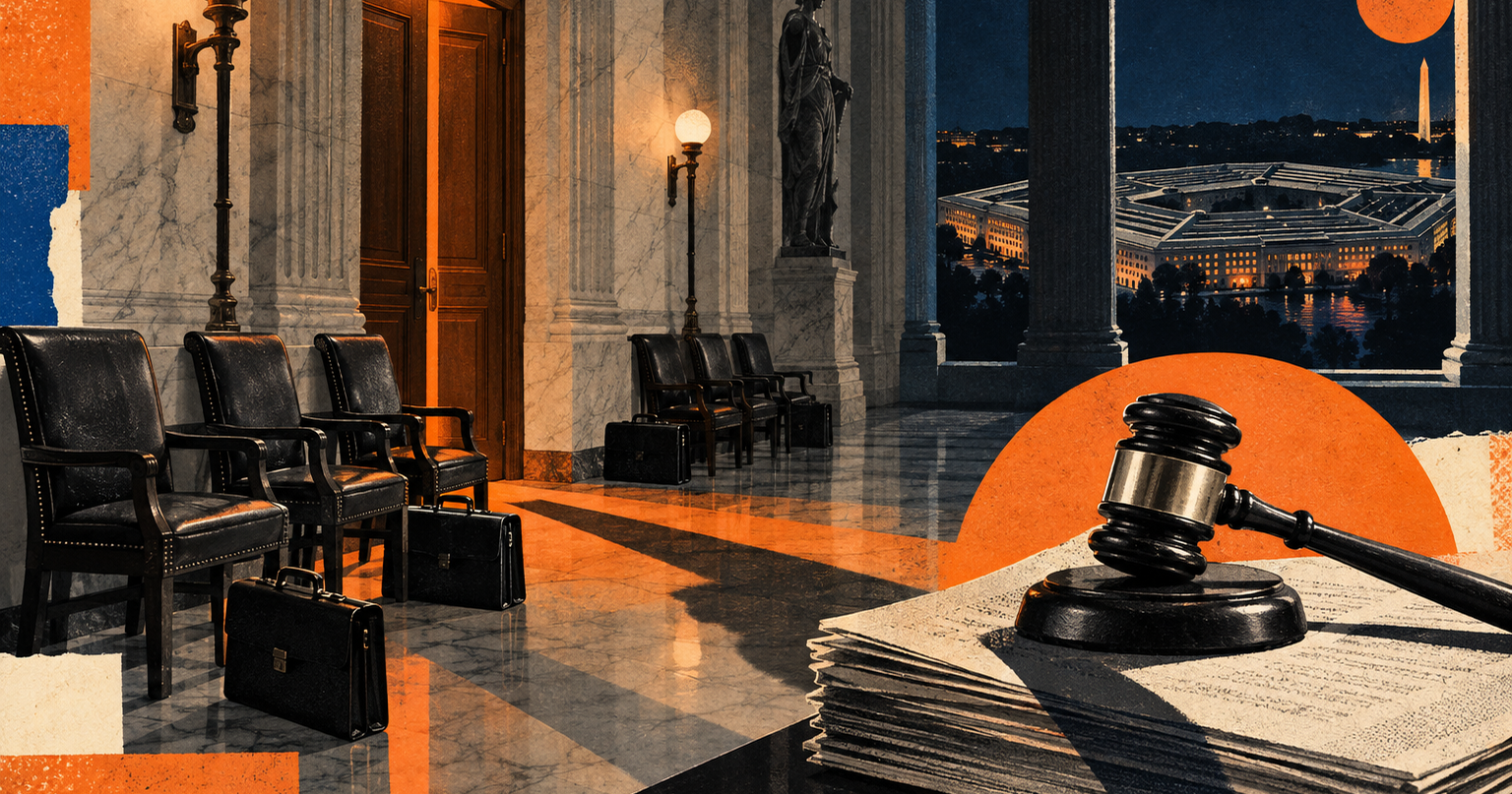
In the last week of June, five Washington lobbying firms walked away from Alibaba in a matter of days. They were not making a statement about China. They were protecting their other clients, the ones with Pentagon contracts. Now a federal judge has frozen the rule that sent them running.
A US federal judge in California granted Alibaba a preliminary injunction on Monday. It temporarily bars the government from withholding Defense Department work from companies, along with their parents or subsidiaries, that do business with firms lobbying for Alibaba. Neither Alibaba nor the Defense Department commented.
How a list emptied Alibaba's Washington bench
In June the Pentagon added Alibaba to its "1260H" list of companies it says support China's military. The list carries no formal sanctions, but it restricts Pentagon contracting with the companies on it, and from 2027 it reaches indirect purchases of their goods or services through third-party suppliers.
The sharper edge came from a separate US law that bars Pentagon contractors from employing lobbyists who represent listed companies. That ban took effect June 30. Any lobbying shop with a defense client suddenly had a choice to make.
Federal lobbying filings show five firms ended their work for Alibaba with termination dates between June 26 and June 30: BGR Government Affairs, Brownstein Hyatt Farber Schreck, Mercury Public Affairs, MO Strategies and Story Partners. Alibaba itself let go of dozens of its Washington lobbyists after the listing, according to a person with firsthand knowledge.
The fight is not over
The ruling does not take Alibaba off the list. That is a separate part of its legal challenge, which continues. Alibaba sued in June in San Jose federal court, naming Defense Secretary Pete Hegseth as a defendant. The complaint called the designation arbitrary and capricious, said it violated due process and the company's First Amendment rights, and argued that "the determinations have no basis in fact or law." Alibaba denies any military ties and says it serves consumers, logistics and delivery businesses and enterprise clients.
It is not alone in court. Drugmaker WuXi AppTec won an order in August that kept it off the list. In September two BYD subsidiaries sued over the lobbying restriction on free speech grounds. Drone maker DJI is still challenging its designation after an appeals court ordered the government to review it again.
The pressure on Chinese tech is coming from several directions at once. The Treasury Department has introduced limits on US investment in Chinese AI and biotech, and Washington recently went after a Chinese startup accelerator too, as we covered when the US sanctioned MiraclePlus over alleged Google AI secrets.
A symbolic win
For Alibaba's business, the stakes are modest. The company does little business in the US and is focused on its home market; last month it unveiled its own AI chip for its data centers. Morningstar called the injunction a symbolic and procedural win for Alibaba rather than a fundamental game changer.
The real test is in Washington's lobbying offices. Alibaba can hire help again, at least for now. Whether the big firms that fled in June are willing to take the account back will show how much a 1260H listing still frightens anyone who works for the Pentagon.
Some offers on this page may be paid placements or contain affiliate links.
Subscribe to Techpresso
Free daily newsletter, read in 5 minutes.
Subscribe free