
US military disables ad trackers on troops' devices
A letter shared with Sen. Ron Wyden says the Army, Air Force, Navy, Marines, and SOCOM disabled ad tracking on government iPhones, Androids, and Windows PCs. The Air Force change landed in July. Personal devices and contractors on bases remain a gap.

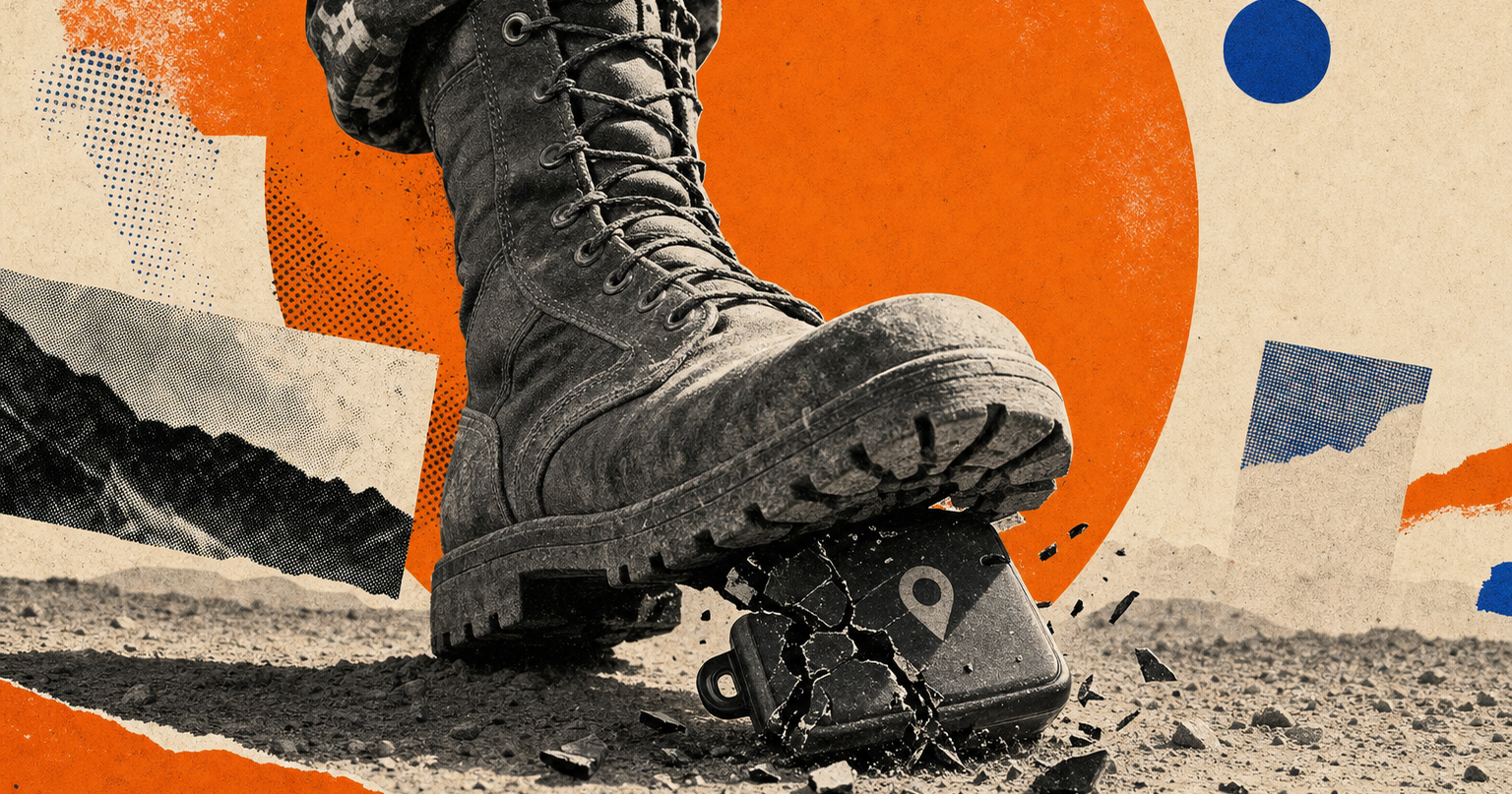
The Army, Air Force, Navy, Marines, and Special Operations Command have turned off advertising trackers on government phones and PCs. The change, described in a letter shared with Senator Ron Wyden and summarized by TechCrunch, covers department iPhones, Android devices, and Windows computers on the federal military enterprise network. Reuters first reported the news and the letters.
The services rolled out the protections earlier this year. The Air Force told Wyden it implemented its changes more recently, in July. The aim is to stop adversaries from using location data derived from apps to target troops on the battlefield or on bases. Disabling the advertising ID makes a person harder to re-identify, because that location data blends with others who also turned it off.
Wyden raised the issue earlier this year after finding that unnamed foreign adversaries had targeted US troops in the Middle East using commercially obtained location data. He called the military's move commendable. He also warned that personal devices of troops and contractors brought onto bases can still expose service members and facilities.
The US intelligence community and the FBI have confirmed they buy this same commercial location data for surveillance without a warrant. Issued-device hardening is the part the services can control. Personal phones on a US base remain in the picture.
Some offers on this page may be paid placements or contain affiliate links.
Subscribe to Techpresso
Free daily newsletter, read in 5 minutes.
Subscribe free